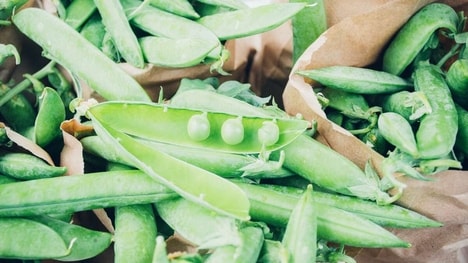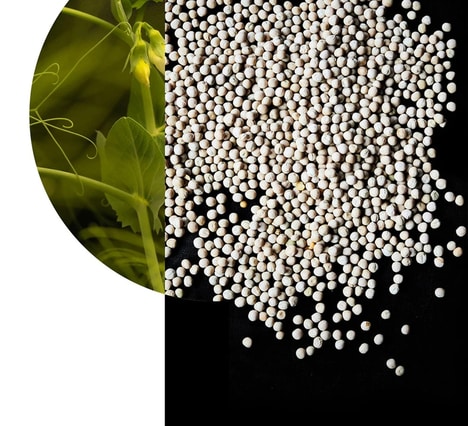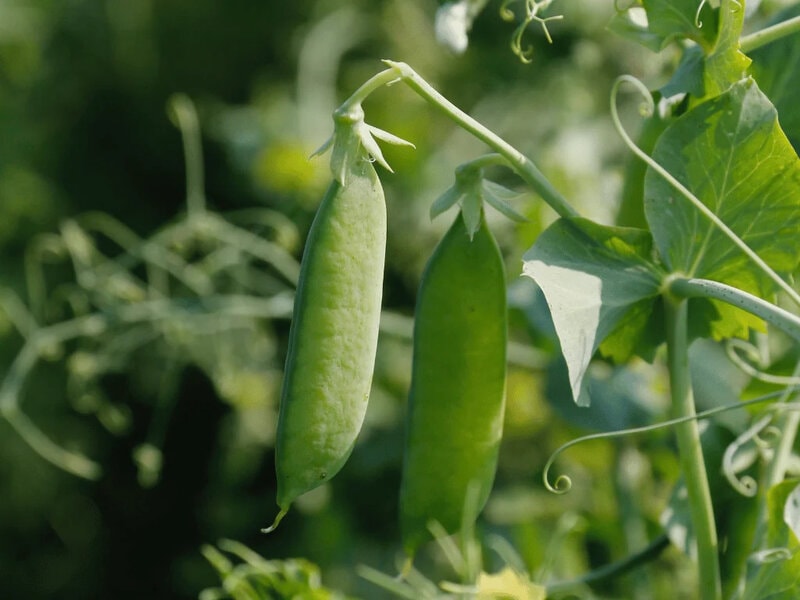
Lantmännen is bringing NordPea, a pea protein isolate developed with Ingredion, to European food and beverage manufacturers that need plant protein for ready-to-drink beverages and dairy alternatives without overpowering flavor. Expected in Q2 2027, the ingredient is built for a mild taste, light color and easy mixing so finished products keep smoother texture and body.
Production will come from Lantmännen's €100 million Lidköping plant, scheduled to start operating in the first half of 2027. The site will draw on peas grown by the cooperative's farmer network, giving manufacturers a regional raw-material chain instead of relying fully on purchased isolates.
A linked farm-to-ingredient supply chain turns sustainability from a broad claim into a sourcing detail B2B buyers can specify. The €100 million facility also moves Swedish-grown legumes closer to a domestic protein ingredient business, which could make soy replacement easier for plant-based brands in the region.
Image Credit: Lantmännen
Key Themes Behind This Trend
- Regional Pea Protein
- Locally sourced pea isolates create room for food manufacturers to reduce soy dependence while improving supply chain transparency and ingredient resilience.
- Neutral-taste Plant Ingredients
- Mild flavor, light color and easy dispersion expand plant protein use in beverages and dairy alternatives where sensory performance often limits adoption.
- Farm-to-ingredient Traceability
- Integrated farmer networks and processing facilities make sustainability claims more verifiable, giving B2B buyers clearer sourcing credentials for plant-based products.
Where This Applies
- Plant-based Foods
- European brands gain access to domestic protein inputs that support cleaner-label dairy alternatives, ready-to-drink formats and broader soy replacement strategies.
- Food Ingredient Manufacturing
- Purpose-built protein processing infrastructure signals a shift toward specialized regional ingredient platforms with stronger control over quality, taste and provenance.
- Sustainable Agriculture
- Legume cultivation tied directly to food ingredient demand strengthens the business case for crop diversification and lower-impact protein supply chains.