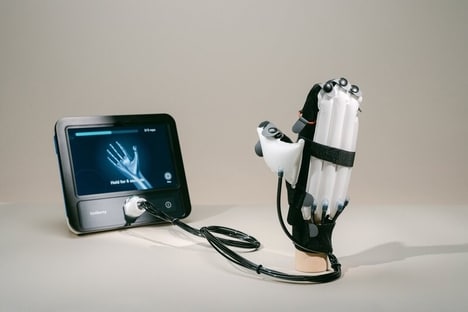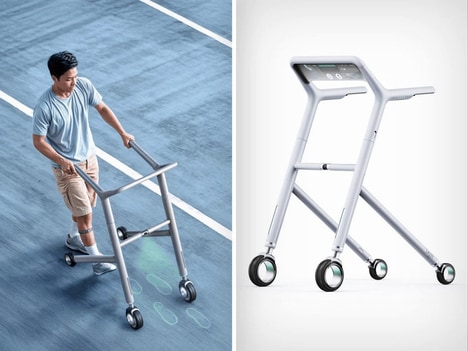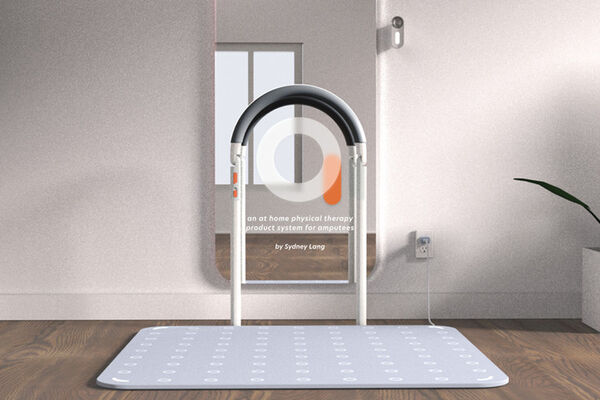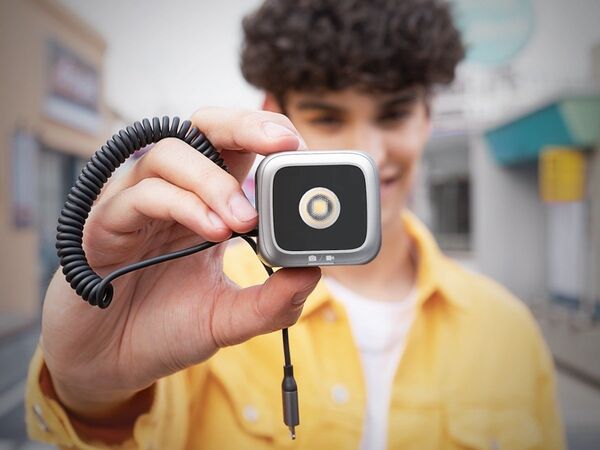
The conceptual 'Adapt' physical therapy system has been designed by Sydney Lang as an at-home solution for amputees to help them perform rehab from the comfort of their living space. The system consists of three elements including interactive foot mat, a versatile support bar and a motion-tracking camera that all work together to support the user in different ways. The mat will guide the user along with the therapy session, while the support bar will offer a way to maintain stability and the camera will relay video to healthcare professionals to monitor progress.
The conceptual 'Adapt' physical therapy system could drastically enhance the ways that patients partake in rehabilitation by bringing essential equipment to them instead of requiring them to visit a clinic.
Why This Trend Is Growing
- Home-based Physical Therapy
- Designing physical therapy solutions for homes can reduce clinic visits, save time, and provide consistent and convenient therapy sessions.
- Interactive Therapy Systems
- Incorporating interactive features, like motion tracking and virtual guidance, can make physical therapy more engaging, motivating, and effective.
- Remote Monitoring of Rehabilitation
- Providing healthcare professionals with remote access to patient monitoring data can improve rehabilitation outcomes and reduce the need for in-person visits.
Industries Being Reshaped
- Medical Devices
- Designing and producing devices for home-based physical therapy can increase accessibility, lower costs, and improve patient outcomes.
- Healthcare Services
- Offering remote physical therapy services can expand the reach of healthcare providers and improve patient engagement, satisfaction, and outcomes.
- Virtual Reality Technology
- Combining virtual reality and motion tracking technologies with physical therapy can create immersive and interactive therapy experiences, improving engagement and outcomes.