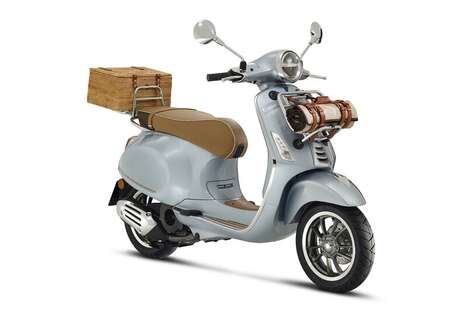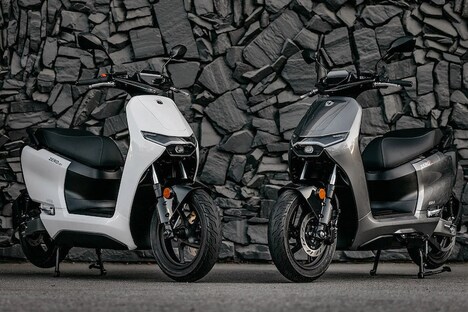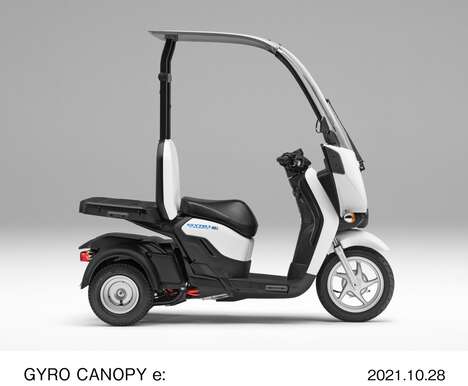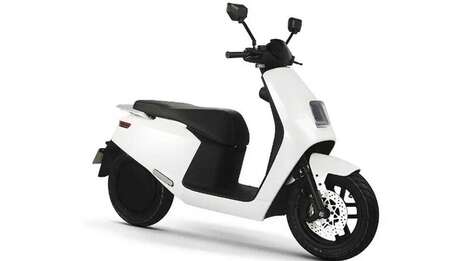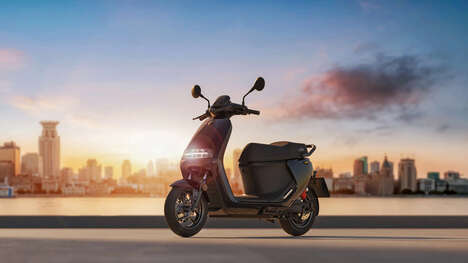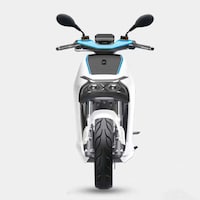
French automaker Peugeot is taking a step back into the two-wheeled electric scooter market. The Peugeot e-Vivacity Scooter is said to be the first successful scooter for the French brand since it's first release in 1996 with the Scoot'elec.
Unlike previous models, the Peugeot e-Vivacity Scooter uses an advanced lithium-ion pack from battery manufacturer Saft. Using just a traditional European socket, users can charge their e-Vivacity scooter in just four hours.
The Peugeot e-Vivacity Scooter has a range of 60 miles, and although it's top speed is a mere 28 miles per hour it is perfect for the busy and small streets across the cities in Europe.
What's exceptional about the e-Vivacity Scooter has an annual running cost of only $22.67 so you can really reap the benefits of its eco-friendliness.
Why This Trend Is Growing
- Electric Scooters
- The rise of electric scooters presents opportunities for companies to develop and market eco-friendly transportation options.
- Lithium-ion Batteries
- The increasing use of advanced lithium-ion batteries in electric scooters creates opportunities for battery manufacturers to innovate and improve battery technology.
- Affordable Electric Vehicles
- The Peugeot e-Vivacity Scooter's low annual running cost highlights the potential for affordable electric vehicles to disrupt the transportation market.
Industries Being Reshaped
- Automotive
- The automotive industry can explore the development of electric scooters and other eco-friendly transportation options to meet the growing demand for sustainable mobility solutions.
- Battery Manufacturing
- Battery manufacturers have opportunities to create advanced lithium-ion batteries tailored for electric scooter applications, offering longer range and faster charging capabilities.
- Urban Mobility
- The rise of electric scooters and their affordability opens up opportunities for companies in the urban mobility industry to offer convenient and cost-effective commuting solutions in densely populated areas.