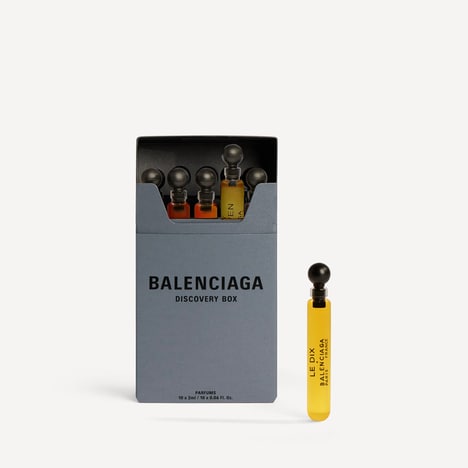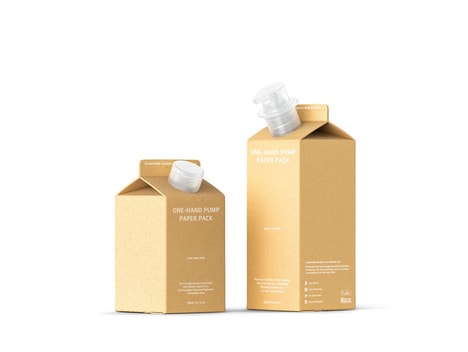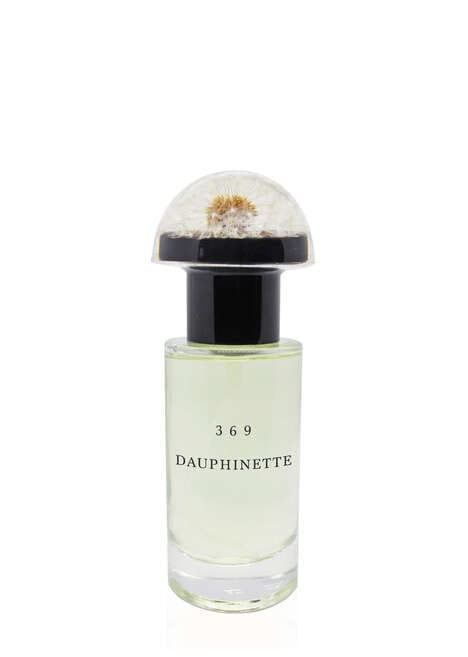
Although there are lot of perfume packaging designs that take care to make use of precious materials in order to convey the quality of the fragrance inside, this concept by Nikolo Kerimov swaps out glass for a material that's much more humble.
This design makes use of a thin cardboard material and uses an origami-inspired frame to alter the shape of the perfume bottle when it's pressed. In order to dispense the fragrance inside, the user of this perfume bottle is required to press down on the spray nozzle, which causes the entire bottle to collapse for the entire time the nozzle is held down. Because the perfume bottle design is made to flatten out naturally over time, it is easily recyclable and ensures that the perfume inside does not go to waste.
Key Themes Behind This Trend
- Eco-friendly Packaging
- The use of eco-friendly and sustainable materials in packaging and design will continue to increase in popularity and importance.
- Functional Design
- Designs that prioritize function over aesthetics will continue to gain popularity as consumers prioritize ease of use and practicality.
- Minimalist Packaging
- Minimalist and simple packaging designs that prioritize eco-friendliness and functionality will continue to gain popularity in the fragrance industry.
Where This Applies
- Fragrance Industry
- The fragrance industry should consider implementing more eco-friendly and minimalist packaging designs that prioritize functionality and sustainability.
- Packaging Industry
- The packaging industry should develop more eco-friendly and minimalist designs, such as collapsible packaging, to meet the growing demand for sustainable and functional packaging options.
- Consumer Goods Industry
- The consumer goods industry should prioritize eco-friendliness and functionality in product design and packaging to align with growing consumer demands for sustainable and practical products.