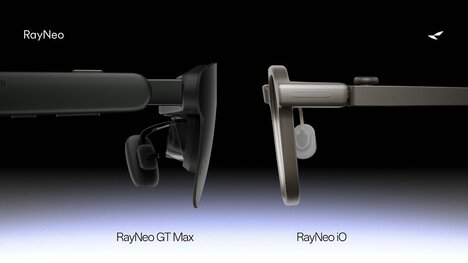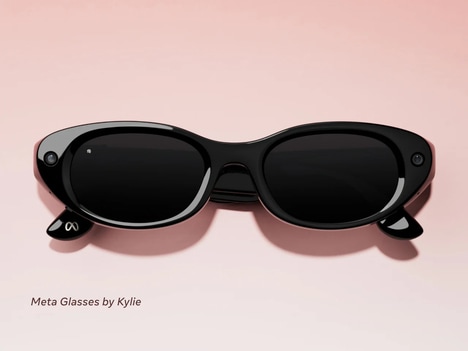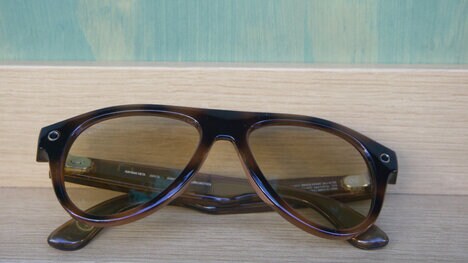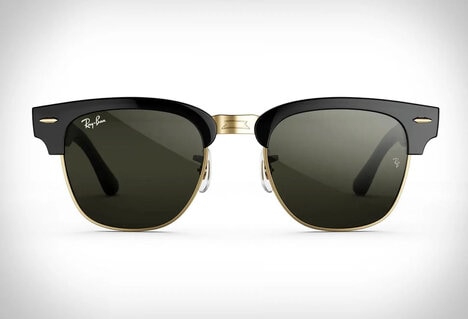
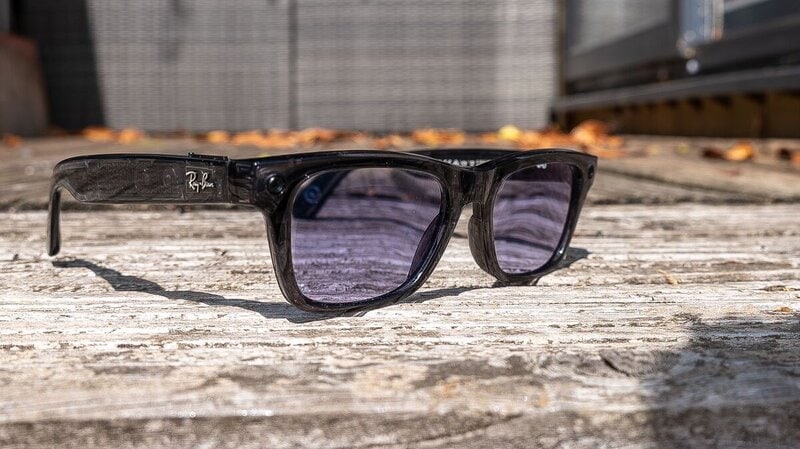
Meta is adding hands-free walking directions to its smart glasses, including Ray-Ban pairs, so people on foot can ask for a route without pulling out a phone. Version 128 adds the walking tool, and version 129 adds mono playback plus left-right balance.
The route feature is built for short trips, turning the glasses into a quicker option than digging into a maps app for a nearby stop. The audio changes also let wearers keep both speakers carrying the same cue or lean sound toward one side, which can make prompts easier to follow.
On a walk, the glasses can read directions aloud while the phone stays tucked away, giving the whole experience a cleaner convergence of eyewear and navigation. The UK experience is still incomplete, though, and testing there sent directions to the phone instead of keeping them on the glasses.
Image Credit: Rik Henderson / Future
What Makes This Trend Stand Out
- Hands-free Micro-navigation
- Short-distance routing through wearable audio creates space for context-aware wayfinding that reduces reliance on phone screens during everyday errands.
- Audio-first Wearable Interfaces
- Mono playback and balance controls point to more accessible smart eyewear experiences where navigation, alerts, and ambient awareness coexist.
- Smart Glasses Utility Expansion
- Everyday features like walking directions strengthen the case for smart glasses as practical companions rather than novelty camera or AI devices.
Sectors Adopting This
- Wearable Technology
- Smart eyewear with embedded navigation signals new hardware-service bundles built around mobility, convenience, and lightweight computing.
- Digital Mapping
- Pedestrian guidance delivered through glasses introduces fresh demand for hyperlocal, low-friction map experiences optimized for voice and audio cues.
- Accessibility Technology
- Directional audio, hands-free prompts, and customizable playback settings reveal potential for inclusive mobility tools supporting varied hearing and navigation needs.