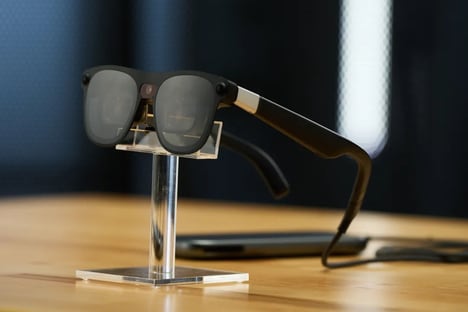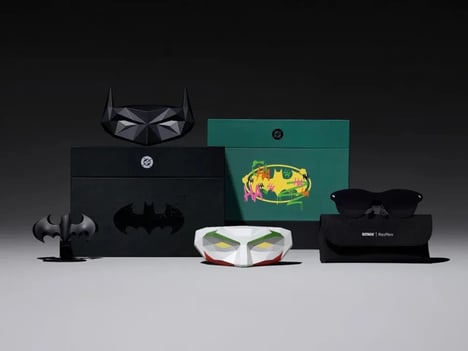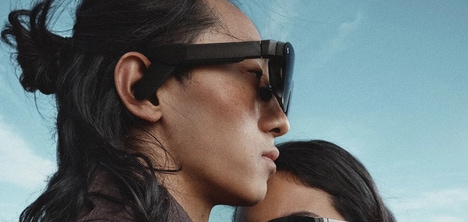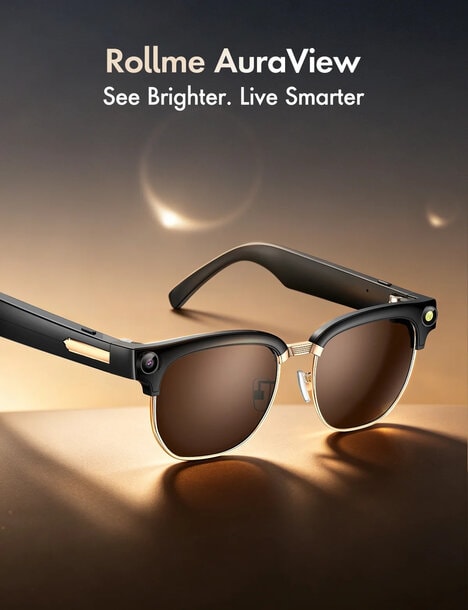
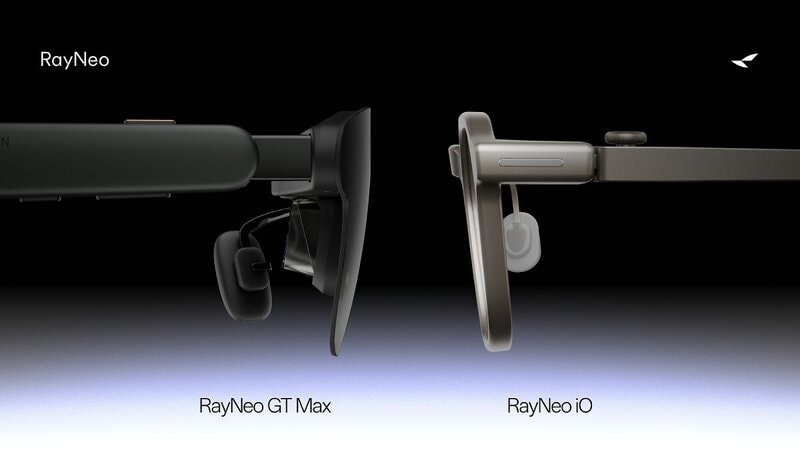
These new RayNeo AR Smart Glasses have been announced by the brand as a series of augmented reality (AR) wearables designed and engineered to help users support their productivity or multimedia needs.
The range includes the RayNeo iO Smart Glasses for productivity alongside the RayNeo GT Series glasses for multimedia experiences. The RayNeo iO Smart Glasses will offer all-day waveguide display access, access to the ambient AI productivity suite, multi-LLM integration and more, while the RayNeo GT Series glasses will achieve a theater-grade visual and audio experience anywhere. The wearables thus respond to the different needs of users rather than providing one-size-fits-all experiences to accommodate early adopters.
The new RayNeo AR Smart Glasses will be available directly from the brand and on Amazon, but will also be at the IFA conference in September where they'll be shown off in a demonstration session.
Key Themes Behind This Trend
- Segmented AR Wearables
- Lifestyle-specific smart glasses create room for differentiated hardware and software bundles that serve productivity, entertainment and niche user contexts.
- Ambient AI Interfaces
- Always-available AI assistants embedded in eyewear point to new interaction models that reduce reliance on phones and laptops.
- Portable Immersive Media
- Theater-grade visuals and audio in lightweight glasses signal growth potential for personal entertainment devices that make premium viewing mobile.
Where This Applies
- Consumer Electronics
- Smart glasses with distinct use-case models expand the category beyond early adopters by aligning device features with everyday lifestyle needs.
- Artificial Intelligence
- Multi-LLM integration in wearable displays highlights opportunities for context-aware AI services that operate continuously across work and leisure.
- Entertainment Technology
- AR glasses designed for cinematic multimedia experiences reshape how streaming, gaming and digital content platforms can deliver immersive access anywhere.