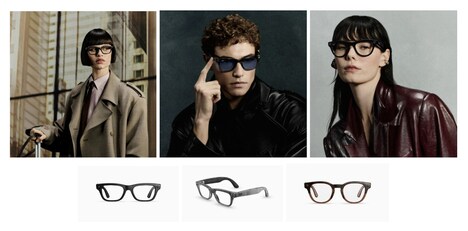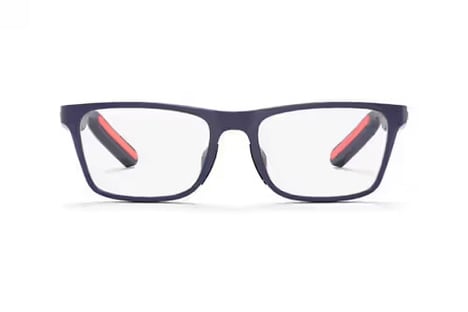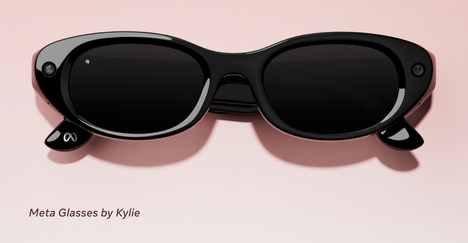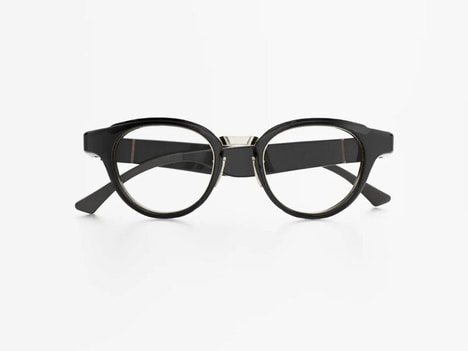
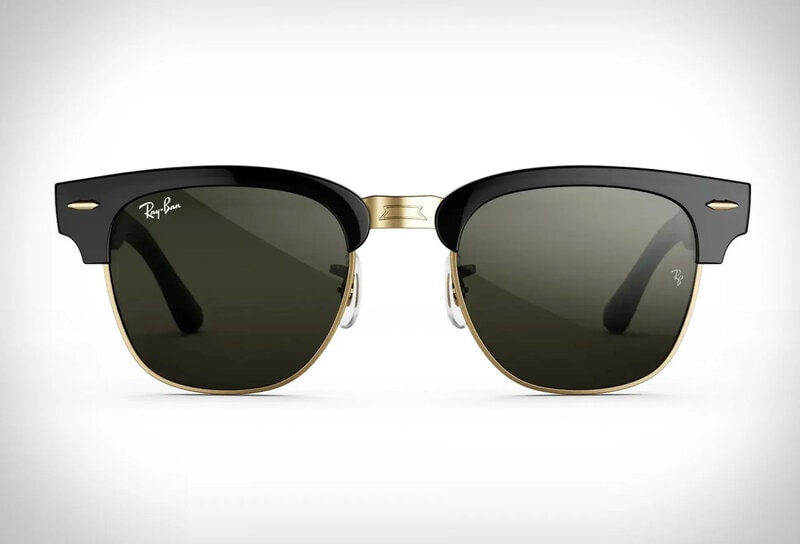
Meta's Ray-Ban Meta Audio Glasses strip smart eyewear back to sound, pairing hands-free calling and AI voice help with a camera-free design. The frames are built for everyday listening rather than image capture, giving the category a more focused and less conspicuous role.
Open-ear speakers keep audio playing without sealing off the outside world, which makes the glasses better suited to walking or commuting than earbuds that block surrounding noise. At 43 grams, the frames stay light, and battery life reaches up to 12 hours between charges. Clubmaster and Burbank styles also help the device read more like regular eyewear.
With this product, smart glasses can feel closer to an accessory and less like a wearable camera with extras. That clearer reduction plays also raises the bar across the field. If audio-first frames are easier to live with, competitors need a stronger reason to keep cameras front and center.
Image Credit: Ray-Ban Meta
What Makes This Trend Stand Out
- Camera-free Smartwear
- Privacy-forward wearable designs are creating space for less intrusive connected accessories that feel socially acceptable in everyday settings.
- Open-ear Audio
- Ambient listening formats are reshaping personal audio by balancing continuous sound access with awareness of surrounding environments.
- Accessory-led AI
- Everyday fashion items embedded with voice assistance are turning AI interaction into a more casual, low-friction experience.
Sectors Adopting This
- Consumer Electronics
- Focused hardware that removes polarizing features can broaden adoption by making smart devices simpler, lighter, and more purpose-built.
- Eyewear
- Traditional frame styles with embedded audio are expanding the role of glasses from vision correction and fashion into connected utility.
- Personal Mobility
- Commuting and walking environments are supporting demand for hands-free audio products that preserve situational awareness while enabling communication.