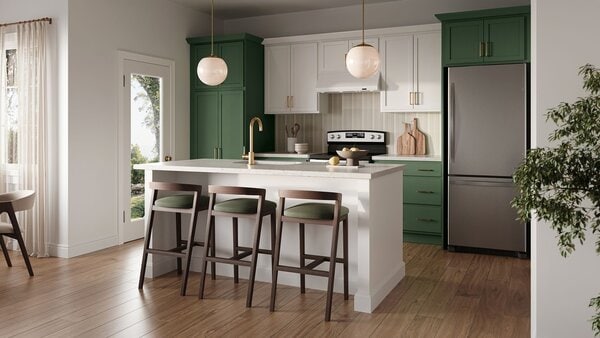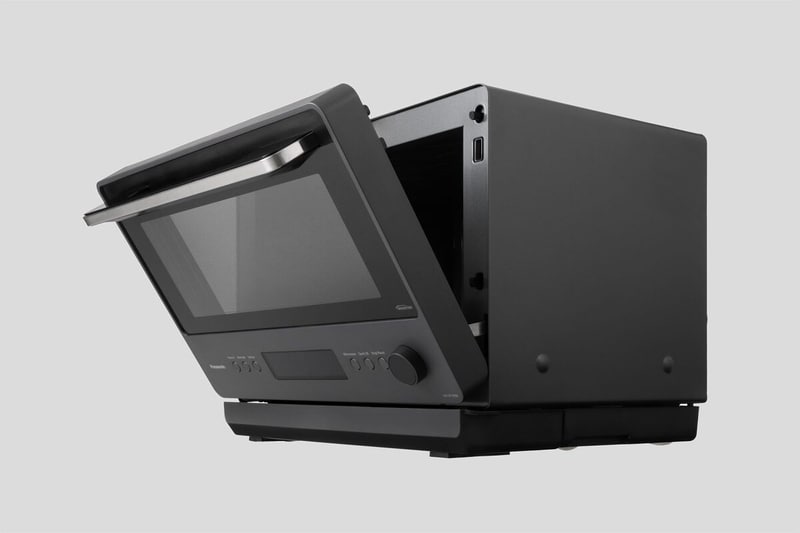
The new Panasonic Japanese Microwave brings Japanese design principles to North American kitchens through a streamlined countertop appliance with a muted graphite finish, rounded edges, and a compact footprint. The microwave replaces a traditional turntable with a flatbed interior to increase usable cooking space and simplify cleaning, while a pull-down oven-style door, soft-close hinges, and tactile push buttons enhance everyday usability. Its understated appearance is intended to integrate seamlessly into contemporary kitchen environments.
The appliance debuts Panasonic's Genius Sensor 2.0, which monitors food temperature from 64 points every 0.1 seconds to automatically adjust cooking time and power for more even heating. Panasonic's Inverter Technology maintains consistent microwave output throughout the cooking process, reducing hot and cold spots across different foods. The technologies support one-bowl meal preparation and automatic cooking programs.
Image Credit: Panasonic
Key Themes Behind This Trend
- Flatbed Microwave Design
- Turntable-free interiors create roomier, easier-to-clean appliances that signal opportunities in compact kitchen products built around space efficiency and simplified maintenance.
- Sensor-guided Cooking
- Precision temperature monitoring and automatic power adjustments are reshaping convenience cooking by making countertop appliances more adaptive, consistent, and accessible.
- Minimalist Kitchen Appliances
- Muted finishes, rounded forms, and tactile controls reflect rising demand for appliances that function as integrated design elements in modern homes.
Where This Applies
- Home Appliances
- Smarter microwave platforms point to growth in connected-feeling, automation-driven products that improve everyday cooking without requiring complex user input.
- Kitchen Design
- Seamless appliance aesthetics are expanding the role of countertop devices within interior planning, especially for smaller homes and open-concept kitchens.
- Consumer Electronics
- Embedded sensing and inverter technologies demonstrate how electronics expertise can differentiate traditional household products through performance, usability, and design refinement.