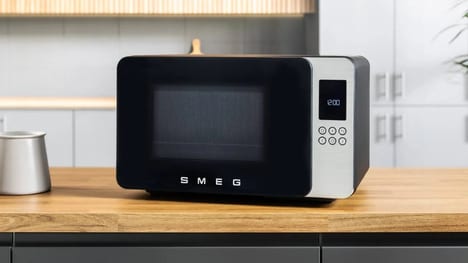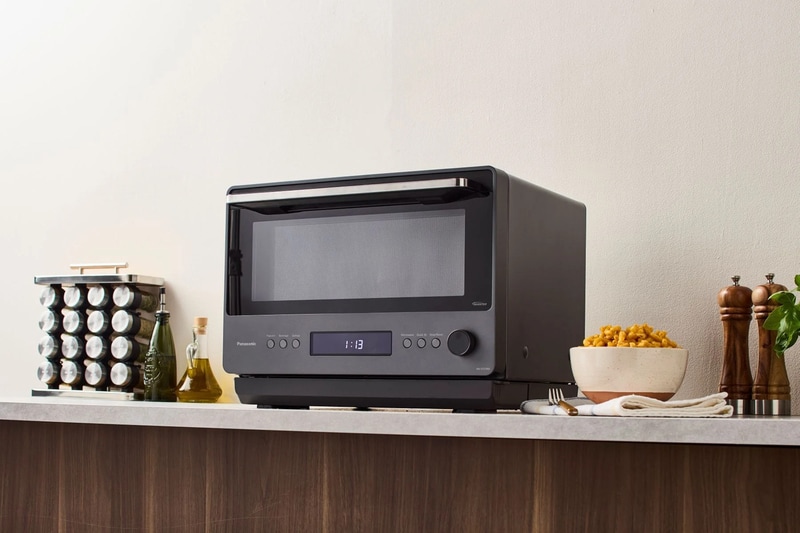
Panasonic Corporation of North America has introduced the Japanese Countertop Microwave NN-SF57RM, a kitchen appliance that combines minimalist design principles inspired by Japanese aesthetics with advanced cooking technologies.
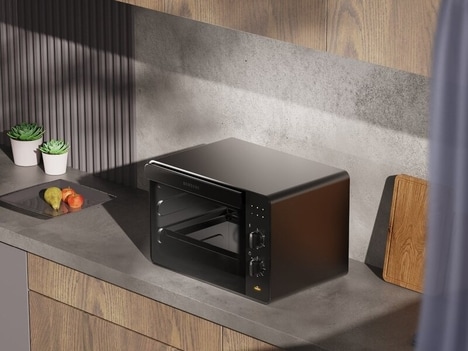
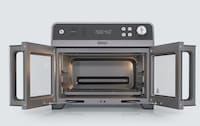
The Japanese Countertop Microwave NN-SF57RM features a muted graphite finish and soft rounded contours. Its pull-down oven-style door functions well in tight spaces, while its flatbed interior does not have a rotating turntable, which serves to increase usable capacity and simplify cleaning. The appliance's Genius Sensor 2.0 system employs 64 thermo sensing points inside the cooking cavity to detect food temperature in real time, automatically adjusting both cooking duration and power levels with a single button press. The Inverter Technology maintains consistent power delivery rather than cycling on and off, which reduces the problem of unevenly heated food with cold spots.
Image Credit: Panasonic Corporation of North America
Key Themes Behind This Trend
- Minimalist Kitchen Appliances
- Japanese-inspired finishes, rounded profiles, and space-conscious doors signal demand for countertop devices that merge decor-friendly design with everyday utility.
- Sensor-based Cooking
- Real-time thermal detection creates potential for smarter appliances that reduce guesswork, personalize heating cycles, and improve food consistency.
- Flatbed Microwave Design
- Turntable-free interiors offer a cleaner, higher-capacity format that redefines compact cooking for small homes, offices, and premium apartments.
Where This Applies
- Home Appliances
- Advanced microwave platforms with inverter power and automated sensing highlight a shift toward intelligent, design-led products in everyday cooking categories.
- Kitchen Design
- Compact appliances with muted finishes and flexible access points complement modern interiors where performance, aesthetics, and spatial efficiency increasingly overlap.
- Smart Home Technology
- Connected-adjacent cooking intelligence reflects opportunities for appliances that integrate adaptive sensors, simplified controls, and automated household routines.