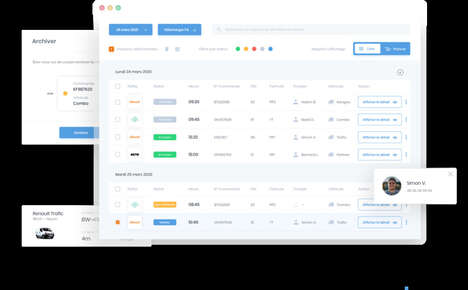
Getting one's belongings after forgetting to pack them on a trip or after simply running out of luggage space can be a huge hassle and incredibly expensive, but with onPony, users can get what they need while benefiting another traveler at the same time.
Less expansive than traditional delivery options and substantially faster, onPony works by setting up users with one another, so that those traveling can make a little extra cash, and those in need of a delivery don't have to deal with long wait times and elaborate costs.
onPony originally started in Turkey, where its founder was in need of a specific type of medicine to help with the pain of their wisdom tooth removal. The only option was to have a friend bring it to them, which sparked the idea for a service that streamlines this. Since its inception, onPony has expanded to serve an international community.
Key Themes Behind This Trend
- Peer-to-peer Delivery
- The onPony platform offers a peer-to-peer delivery solution, disrupting traditional delivery methods.
- Sharing Economy
- onPony taps into the sharing economy by connecting travelers and users in need of delivery, presenting opportunities for disruptive innovation in this sector.
- Faster and Cheaper Delivery
- onPony provides a cost-effective and speedier alternative to traditional delivery services, creating opportunities for disruptive innovation in the delivery industry.
Where This Applies
- Peer-to-peer Delivery Platforms
- onPony's success highlights the potential for disruptive innovation in the peer-to-peer delivery platform industry.
- Sharing Economy Marketplaces
- onPony's platform falls within the sharing economy marketplace, opening avenues for disruptive innovation in this industry.
- Logistics and Delivery Services
- onPony's faster and cheaper delivery approach presents disruptive innovation opportunities within the logistics and delivery services sector.