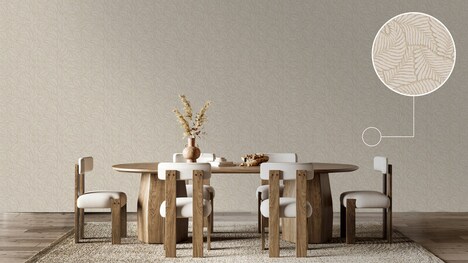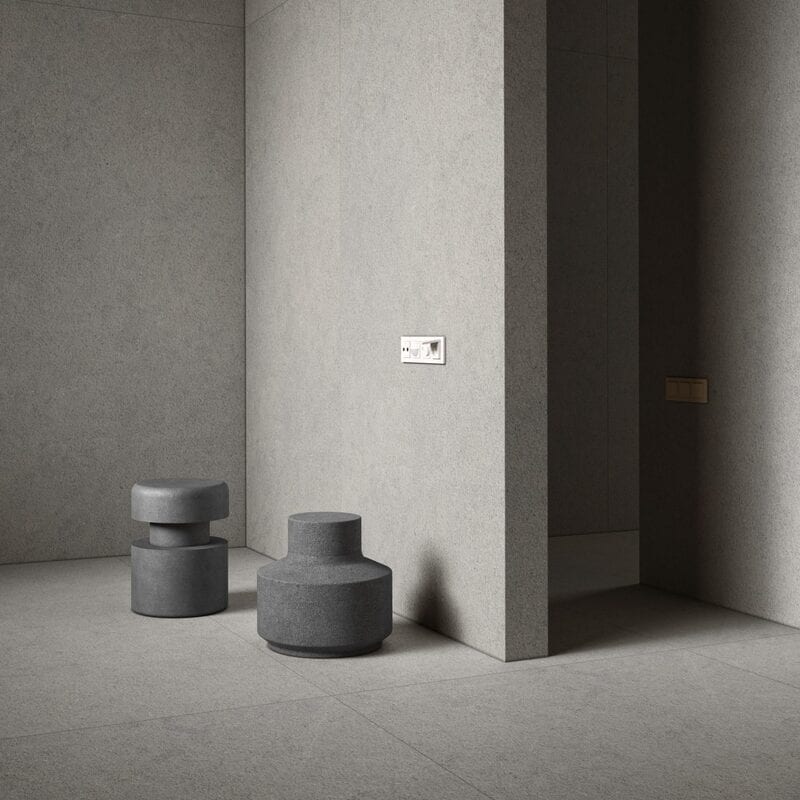
The Omogenea Collection by Dimore Surfaces is a range of textured surface materials designed for walls and floors, developed by Italian design studio Dimore and presented at the Dezeen Showroom. The collection consists of panels and tiles that feature rhythmic, relief-like patterns created through a combination of sculptural shaping and surface manipulation. Each finish is defined by subtle variations in depth and pattern that produce changes in light and shadow across planar surfaces.
Materials in the Omogenea Collection are engineered for both aesthetic presence and functional performance. Surfaces are prepared to meet typical interior specifications for durability and wear, with options suited to residential and commercial contexts. The patterned reliefs range from low-profile undulations to more pronounced geometric forms, allowing designers and specifiers to select textures that correspond to specific spatial needs. Colour options span tonal neutrals, enabling integration into varied design schemes without overwhelming adjacent elements.
Image Credit: Dimore Surfaces
Key Themes Behind This Trend
- Tactile Architectural Surfaces
- Textured panels that modulate light and shadow across walls and floors create a stronger sensory dimension in built environments and new criteria for material selection.
- Modular Textured Panels
- Prefabricated relief-like tiles and panels that slot together enable standardized yet varied surface grammars that can be specified at scale for diverse spatial programs.
- Neutral Palette Texture Integration
- Subtle tonal colorways paired with pronounced surface reliefs shift emphasis from color to form, producing cohesive interiors where texture governs visual hierarchy.
Where This Applies
- Interior Design Firms
- Design practices face opportunities to reframe spatial narratives by prioritizing sculptural surface treatments as primary design elements rather than secondary finishes.
- Commercial Real Estate
- Landlords and developers can leverage durable, textured finishes to differentiate properties through enhanced occupant experience and perceived quality.
- Manufacturing and Fabrication
- Production specialists are seeing demand for advanced shaping, molding, and finishing techniques to replicate complex reliefs reliably and with consistent performance.