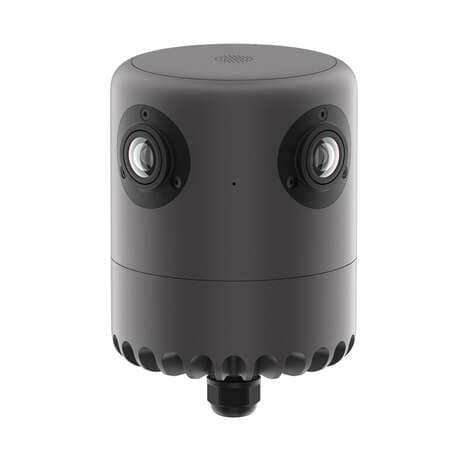


The BBC's UK-based viewers will be able to enjoy an unprecedented and immersive Olympics broadcast this year thanks to the British broadcaster's adoption of 360-degree broadcasts.
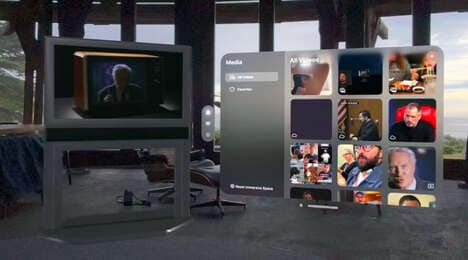
Users who own mobile virtual reality headsets as those viewing through browsers will make it possible for users to engage with Olympics broadcasts in a completely different way by panning around and viewing content around them almost as if they're on-location. The BBC is set to include 100 hours of 360-degree Olympics broadcasts from Rio de Janeiro, with one event each day being treated to this innovative and forward-looking broadcasting method.
This 360-degree Olympics broadcast could be an important step towards the adoption of immersive broadcasts in all sports.
What Makes This Trend Stand Out
- Immersive Broadcasts
- The adoption of 360-degree broadcasts for Olympics could pave the way for immersive broadcasts in all sports.
- Virtual Reality
- The use of mobile virtual reality headsets enables users to engage with Olympics broadcasts in a completely different way.
- Forward-looking Broadcasting
- The BBC's adoption of 360-degree broadcasts shows a commitment to innovative and future-oriented broadcasting methods.
Sectors Adopting This
- Broadcasting
- The immersive 360-degree broadcasts present an opportunity for the broadcasting industry to explore new ways of engaging viewers.
- Sports
- The use of immersive broadcasts in Olympics could revolutionize how sports events are experienced by viewers and open up new possibilities for fan engagement.
- Virtual Reality Technology
- The adoption of 360-degree broadcasts for Olympics highlights the potential of virtual reality technology in enhancing the viewing experience.