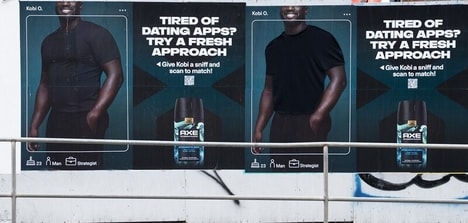
Germany-based skin care company Nivea has teamed up with Vietnamese advertising agency Happiness FCB to create a truly unique and peculiar odor detection app, aptly dubbed NOSE, that is capable of detecting body odor and informing the user that they need to apply some (Nivea) deodorant.
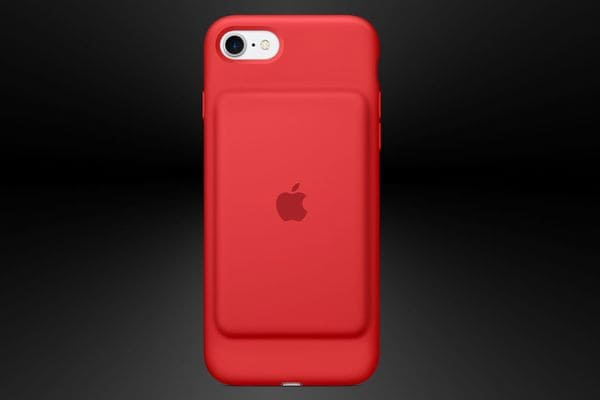
In order to use the odor detection app, the user has to activate the app and place the smartphone near their armpit area. The app then 'sniffs' the odor and then evaluates it based on an algorithm that includes a database drawn from the scents of 4,000 men. The actual odor detection is carried out by a special phone casing that breaks down chemical compounds in the air to evaluate odor.
This odor detection app certainly makes for an eyecatching publicity and marketing stunt by Nivea.
What's Driving This Trend
- Odor Detection Technology
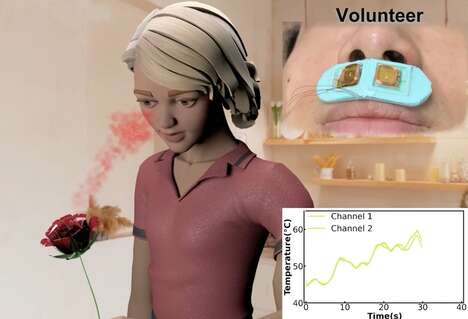
- With the rise of artificial intelligence and smartphones, odor detection is now possible using specialized phone casings, creating opportunities to improve personal hygiene, pet healthcare, environmental monitoring and more.
- Dermatology Apps
- With the availability of specialized sensors, personal care companies can now create apps that analyze skin conditions, recommend products, and offer personalized consultations.
- Smartphone Sensory Analytics
- Smartphone sensory analytics is now an option, opening opportunities for industries such as environmental studies, health and wellness, agriculture, and manufacturing.
Who This Affects Most
- Personal Care
- Personal care companies can now use odor detection technology to create new product lines, targeted messaging, and greater market reach.
- Advertising
- Innovative advertising techniques using unique, interactive app experiences such as NOSE can help brands garner attention and increase brand loyalty.
- Smartphone Technology
- The utilization of smartphone sensory analytics can create new opportunities for app developers, hardware developers, and sensor manufacturers.