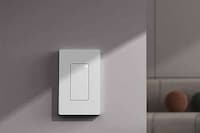


The 'OCD Switch' comes as a modern solution to the common problem of leaving a light switch toggled on when it isn't in use. Playing with the human condition to correct patterns, the switch uses lines that are off-kilter to signify that the unit is on, while the lines match up seamlessly when turned off to reinforce the notion that off is the better choice. As concerns about energy consumption increase, it's likely that we'll continue to see more examples of designers using small tips and tricks to help us reduce our overall usage.
The 'OCD Switch' is the conceptual design work of Pakaporn Teadtulkitikul and is the winner of the Red Dot Design Concept Award for 2017.
What Makes This Trend Stand Out
- Intentional Imbalance in Design
- Designers are intentionally incorporating imbalances into products to encourage behavior change and promote sustainability.
- Visual Cues for Energy Conservation
- Designers are using visual cues and symbols to remind people to conserve energy and reduce overall usage.
- Human Behavior as a Design Element
- Designers are leveraging human behavior and psychology to create innovative products that prompt behavior change and promote sustainable practices.
Sectors Adopting This
- Interior Design
- Interior designers can incorporate intentional imbalances into lighting fixtures and switches to promote sustainable lighting practices.
- Product Design
- Product designers can use visual cues and symbols to create energy-efficient products that encourage users to adopt sustainable behaviors.
- Smart Home Technology
- Smart home technology companies can leverage human behavior to design user-friendly interfaces that encourage energy conservation and promote sustainable living.