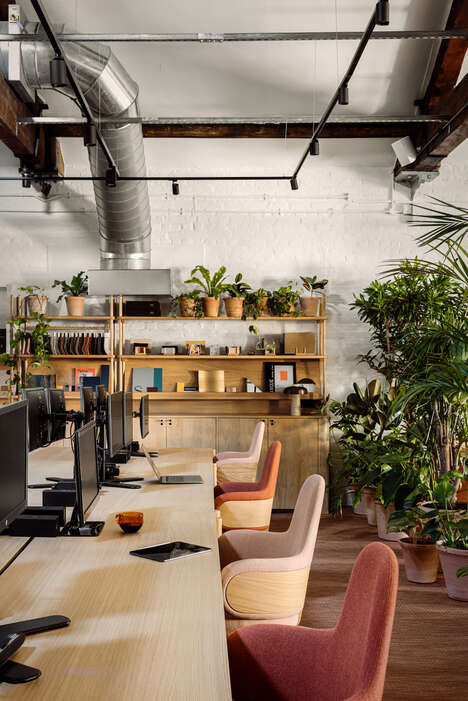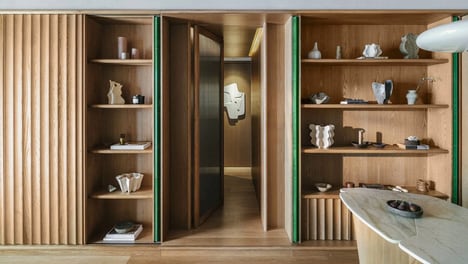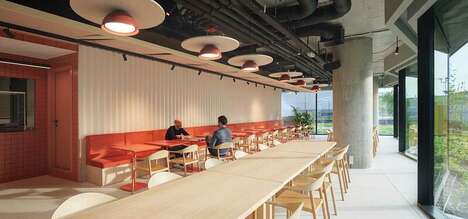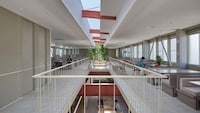

Bamboo, the native Asian wood, is a commonly used material thanks to its combination of strength and light weight, and O Architecture's design for an office in Beijing makes ample use of the fast-growing wood for precisely these purposes. The office is built into the skeleton of a traditional hutong building, and it uses bamboo to add a sense of lightness and airiness to what might otherwise feel like a stuffy, cramped space.
One of the interesting quirks of O Architecture's design is that it's very precisely segmented. The bamboo in the interior forms a series of empty cubes, and the office is planned such that there are exactly 10,000 of those cubes spanning throughout the L-shaped interior.
Image Credit: Weiqi Jin
Key Themes Behind This Trend
- Bamboo-filled Offices
- Designing offices with bamboo materials creates a sense of lightness and airiness, improving productivity and well-being of employees.
- Segmented Interior Design
- Precision segmentation in interior design using bamboo cubes creates a unique and visually stunning workspace.
- Traditional Hutong Revival
- Incorporating bamboo in the revival of traditional hutong buildings combines traditional aesthetics with sustainable materials, attracting eco-conscious consumers.
Where This Applies
- Architecture and Interior Design
- Architecture firms can explore incorporating bamboo as a sustainable and visually appealing material in office designs.
- Furniture and Decor
- Furniture and decor companies have the opportunity to create bamboo-based furniture pieces specifically designed for segmented office interiors.
- Sustainable Building Materials
- Manufacturers and suppliers of sustainable building materials can focus on producing and marketing bamboo-based products for office and commercial spaces.