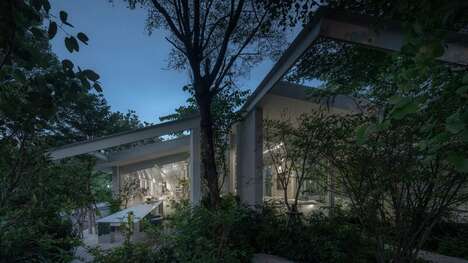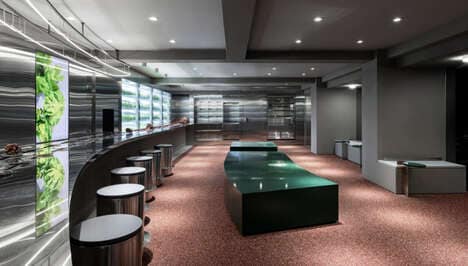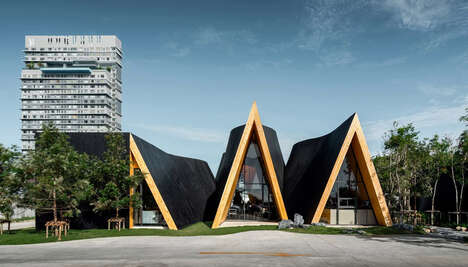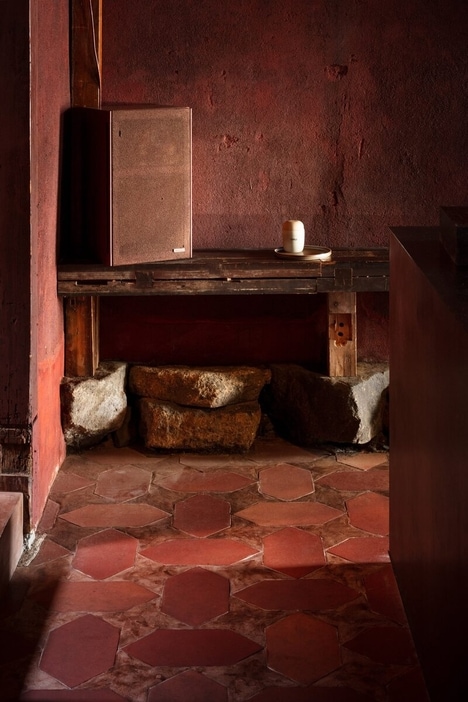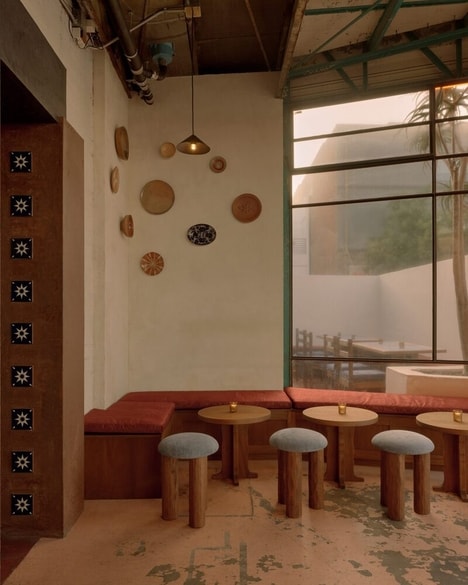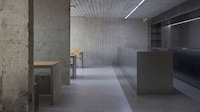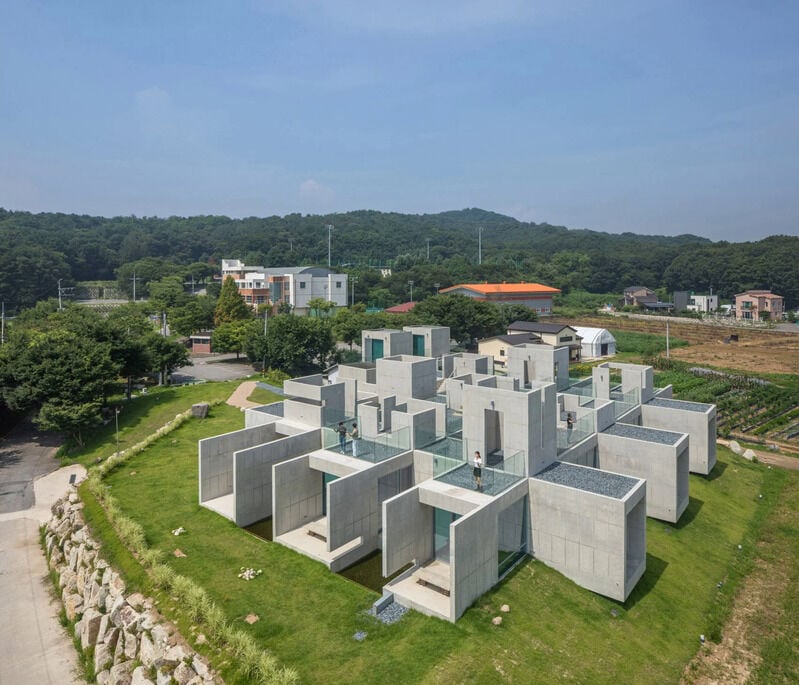
Korean design studio On Architects designs the Nonspace cafe, which is defined by rice straw and exposed concrete materials for its walls. Nonspace also functions as a community environment with roof terraces to enjoy. Additionally, it is also detailed with geometric shapes in order to reflect the irrigation channels that are relied on in rice paddies.
This represents the interactions between different cultures to create 'cross-spaces.' The studio explains the design project to Dezeen, stating that "Each cross-space has the possibility of extensions for various programs. It is not a universal physical space, but rather a differentiated experimental space." When entering the building, there is a large void that opens to the internal cross-cultural space.
Image Credit: Joonhwan Yoon
Key Themes Behind This Trend
- Cross-cultural Design
- The Nonspace cafe represents the interaction between different cultures in its design, creating a cross-space that can inspire innovation in cross-cultural design.
- Natural Material Usage
- The use of rice straw and exposed concrete in the Nonspace cafe showcases the trend of incorporating natural and sustainable materials in architectural design.
- Flexible and Experimental Spaces
- The Nonspace cafe features a differentiated experimental space that allows for various program extensions, highlighting the trend of creating flexible and adaptable environments.
Where This Applies
- Architecture
- The Nonspace cafe design presents an opportunity for architects to explore cross-cultural design and incorporate natural materials in their projects.
- Hospitality
- The Nonspace cafe's community environment and unique design can inspire disruptive innovation in the hospitality industry by offering new and immersive experiences for customers.
- Interior Design
- The Nonspace cafe's flexible and experimental space design provides interior designers with opportunities to create dynamic and adaptable spaces for their clients.