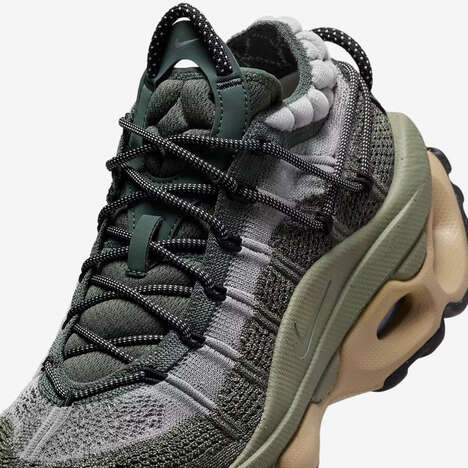
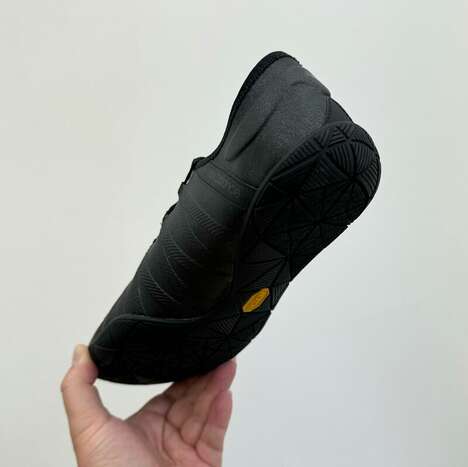
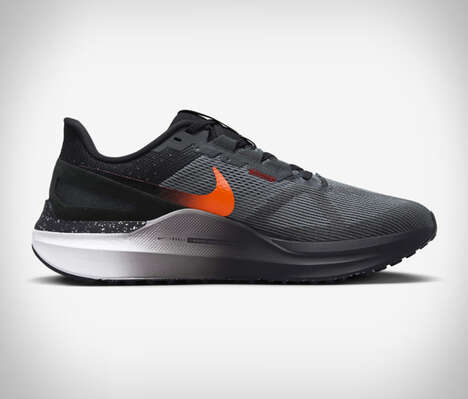
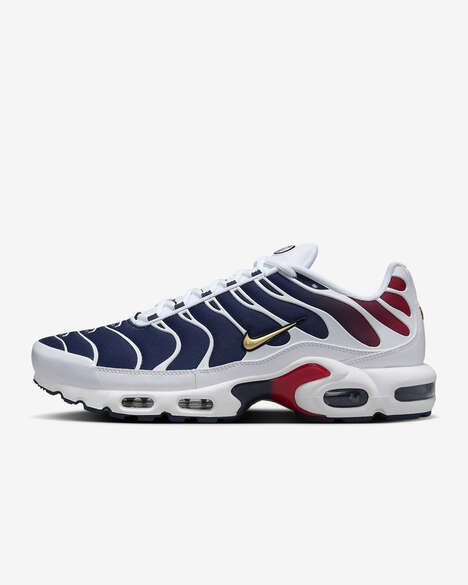
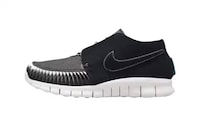
The 2015 Nike Free Collection continues to evolve the running shoe. Focusing on the natural movement of runners, the Nike Free 3.0 Flyknit, Nike Free 4.0 Flyknit and Nike Free 5.0 are more flexible than ever. Through these particular styles, athletes will be able to find the right fit for them in order to optimize their performance.
Embracing the sentiment that less is more, the 2015 Nike Free Collection eliminates layers, seams and bulk to ensure the shoes mimic barefoot training as much as possible. Nike writes, "The final product is all about the power of the foot — not the shoe." With flexing soles, sock-like uppers, form-fitting heel support and an overall featherweight design, the Nike Free Collection achieves 360-degree natural motion.
What Makes This Trend Stand Out
- Natural-motion Shoes
- Creating running shoes that mimic barefoot training by focusing on natural movement for optimal performance presents opportunities for the footwear industry to innovate.
- Flexible Footwear
- Designing footwear that eliminates layers, seams, and bulk to achieve a sock-like fit and 360-degree natural motion creates opportunities for innovative shoe brands.
- Barefoot-like Training
- Promoting the benefits of barefoot-like training and creating products that mimic its effects presents opportunities for the fitness and wellness industry to disrupt traditional training methods.
Sectors Adopting This
- Footwear
- The footwear industry has opportunities to innovate by focusing on creating shoes that promote natural movement and mimic barefoot training.
- Fitness
- The fitness industry can capitalize on the benefits of barefoot-like training and offer products and services that align with its principles.
- Wellness
- The wellness industry can disrupt traditional training methods by promoting the benefits of natural movement and barefoot-like training and incorporating them into their offerings.