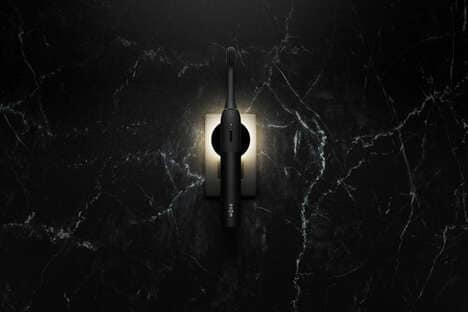
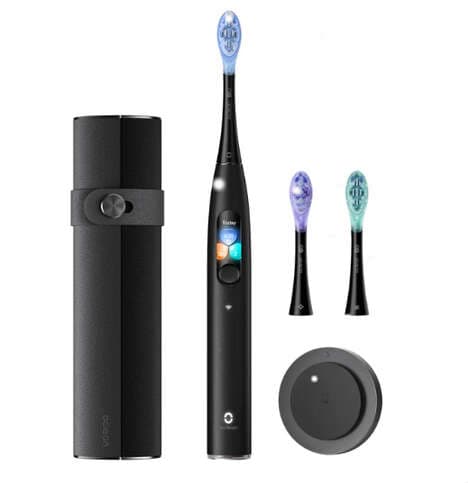
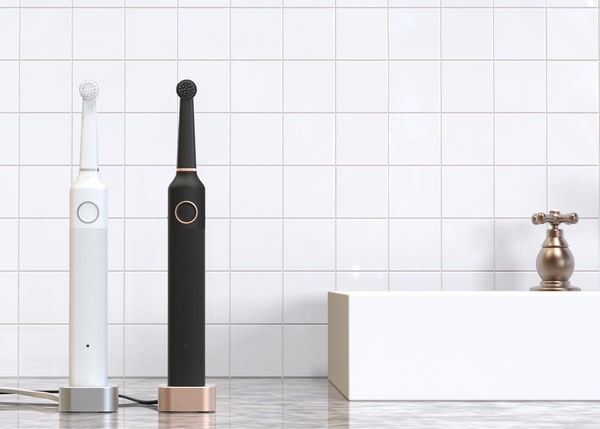
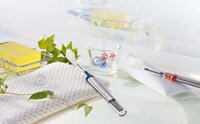
While many of the recent dental hygiene innovations involve app-connected technology, a new design is paving the way for a world of nanotech toothbrushes. Debuted at Milan 2015 Design Week, the latest iteration of the Misoka toothbrush claims to offer a superior brush without the need for toothpaste.
Created by Japanese designer Kosho Ueshima in collaboration with Yumeshokunin, an Osaka-based tech company, the Misoka toothbrush boasts bristles that have been coated in nano-size mineral ions that are activated by dipping the brush head in water.
The sleekly designed Misoka passes on the ions during the brushing process, which helps build up a protective enamel coating and actively removes stains.
Although it may seem like a hyper-futuristic concept, it seems as though nanotech toothbrushes will soon be a reality.
Why This Trend Is Growing
- Nanotech Toothbrushes
- Nanotech toothbrushes are the future of dental hygiene, eliminating the need for toothpaste and creating opportunities for mineral ion infused bristles and protective enamel coatings.
- Ion Infused Bristles
- The infusion of mineral ions into toothbrush bristles creates opportunities for enamel protection, stain removal, and improved dental health.
- App-free Dental Hygiene
- The nanotech toothbrush trend may disrupt the app-connected dental hygiene market, offering a simple, effective alternative to traditional toothpaste and bluetooth toothbrushes.
Industries Being Reshaped
- Oral Hygiene
- The oral hygiene industry can capitalize on the nanotech toothbrush trend, investing in research and development and partnering with tech companies to create innovative dental products.
- Nano Materials
- The nanotech toothbrush trend presents an opportunity for the development and use of innovative nano materials that can improve dental hygiene and create new possibilities in other industries as well.
- Tech Companies
- Tech companies can partner with dental experts to create innovative toothbrushes that utilize the latest nanotech and mineral ion technology, disrupting the traditional dental hygiene market.