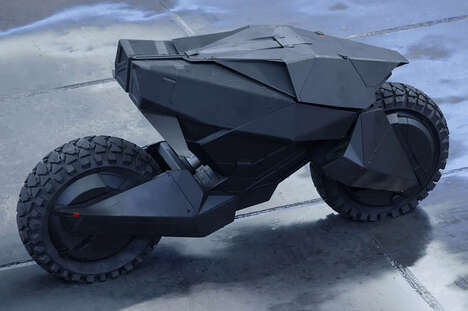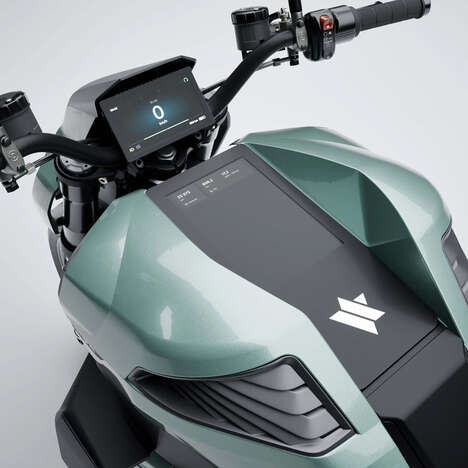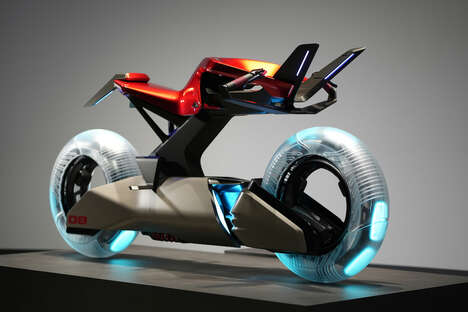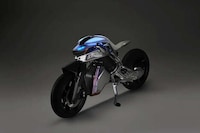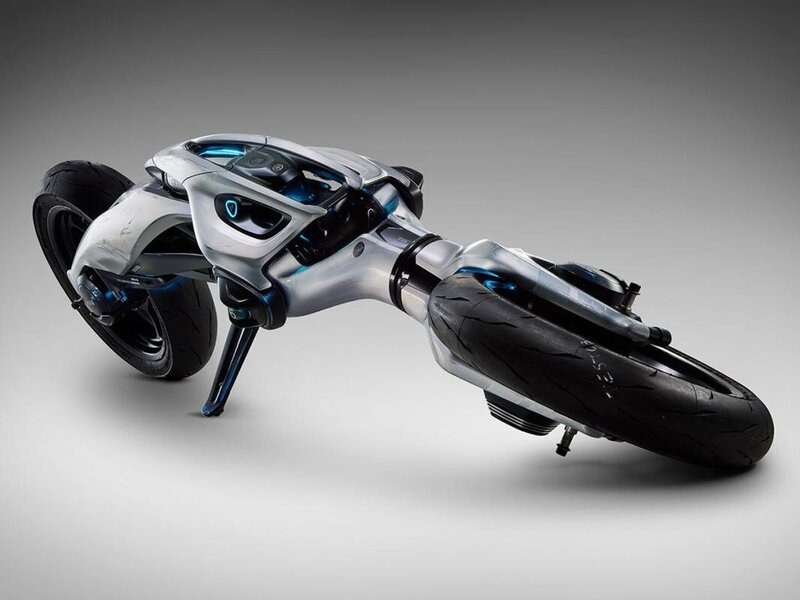
The MOTOROiD:Λ bike concept from Yamaha introduces an advanced form of machine intelligence that allows a motorcycle to recognize when it has fallen and raise itself without assistance. Equipped with sensors, cameras, and balance algorithms, the concept vehicle monitors its posture in real time and activates a compact actuator system to return to an upright position. The process occurs smoothly and autonomously, showing how robotics can integrate into everyday transport design.
Beyond balance recovery, the motorcycle demonstrates a new level of human-machine interaction. It can identify its rider, adapt to motion patterns, and respond to voice or gesture commands. The MOTOROiD:Λ bike reflects Yamaha’s vision for safer, more responsive vehicles, suggesting a future where machines share in responsibility and control while retaining the emotion of riding.
Image Credit: Yamaha
What's Driving This Trend
- Autonomous Self-balancing Technology
- By integrating advanced sensors and real-time algorithms, motorcycles can autonomously correct their posture, enhancing safety and minimizing the risk of accidents due to tipping over.
- Human-machine Interaction in Vehicles
- The ability of motorcycles to respond to voice and gesture commands introduces a new dimension of interaction, merging convenience with intuitive control for the rider.
- Intelligent Rider Recognition
- Motorcycles that personalize responses based on rider identification and behavior patterns offer a tailored and immersive riding experience that adapts to individual needs.
Who This Affects Most
- Automotive Manufacturing
- Incorporating self-balancing mechanisms and AI-driven features represents a shift towards smarter, safer motorcycles that cater to diverse rider capabilities.
- Robotics and AI
- The integration of autonomous balance and recognition systems showcases the potential for robotics and AI to play pivotal roles in everyday personal transportation.
- Transportation Safety
- Innovations in motorcycle balance and control systems contribute to broader efforts in reducing road-related injuries and fatalities by enhancing vehicle stability.