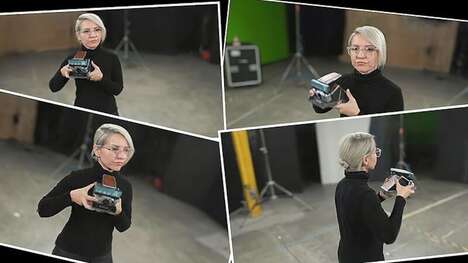
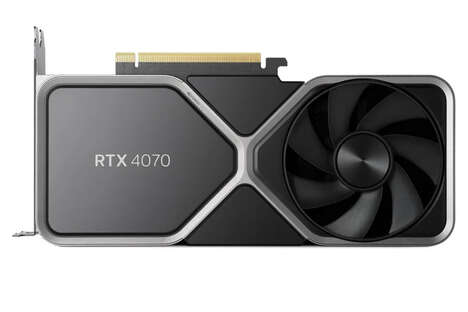
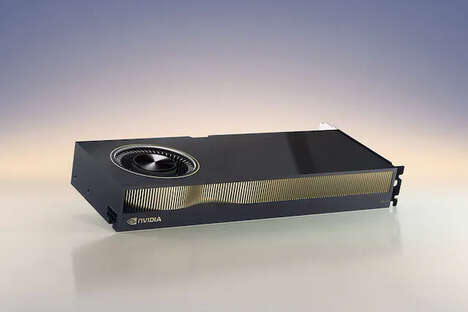
NIVIDA has reformed its moon landing recreation to mark the Apollo 11 50th anniversary. The company made use of its RTX ray-tracing technology, which allows better capturing of sun rays. This makes NIVIDIA's moon landing recreation closer to what can be seen from the TV footage and photos taken during the landing.
NIVIDA's original demo of the landing was in 2014 and was not able to use RTX ray-tracing technology. For this demo, the company gathered as much detail as they could from the NASA landing. The research was done on the rivets of the lunar lander as well as the reflectivity of the material that made up the spacesuits used.
Image Credit: NIVIDA
What Makes This Trend Stand Out
- Gpu-based Moon Landing Recreation
- Using GPU-based technology for creating more accurate moon landing recreations in various industries.
- RTX Ray-tracing Technology
- Development and use of RTX ray-tracing technology in different applications.
- Lunar Research
- Exploring lunar research by using latest technological advancements.
Sectors Adopting This
- Media and Entertainment
- Using GPU-based and RTX ray-tracing technology for creating realistic space movies or games.
- Aerospace and Defense
- Using RTX ray-tracing technology for simulation and training purposes in the aerospace industry.
- Academia and Research Institutes
- Exploring lunar research and creating accurate simulations for scholars and researchers.