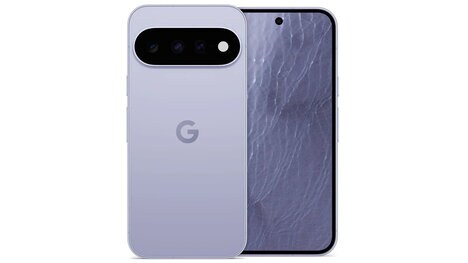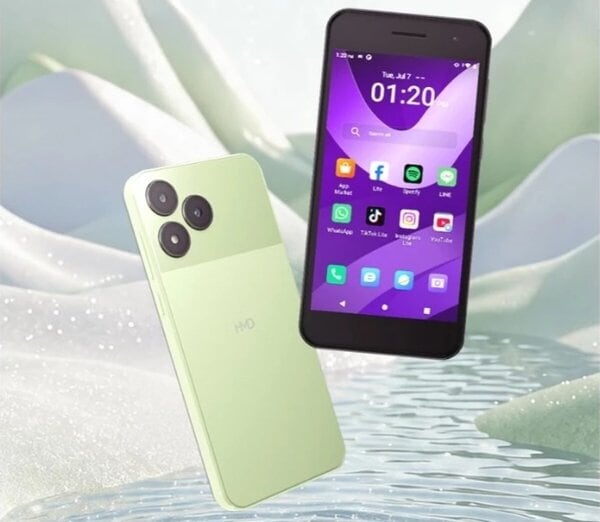
Google is expanding ‘Gemini’ to lower-memory Android phones, reworking the app so the core assistant experience runs on devices with less memory. That brings Google’s personal AI assistant to phones that previously handled only basic voice commands, giving more people access to Gemini on everyday hardware.
The app includes ‘Gemini Live’ for spoken back-and-forth practice in more than 45 languages, plus camera-based help for reading notes or forms and translating them. It also creates custom images, such as a flyer for a weekend bakery sale. Users can open it through Google Play, by holding the power button on supported phones, or through preloaded installs on upcoming devices from partners like Transsion.
Google shows how a reworked Gemini app can bring Live practice, camera help and image creation to phones with less memory.
Image Credit: AI-generated
Why This Trend Is Growing
- Lightweight AI Assistants
- Lower-memory optimization expands advanced assistant access across everyday devices, creating room for AI services built around affordability, speed and broad market inclusion.
- Multimodal Phone Support
- Camera, voice and image-generation features on basic smartphones suggest new service models for education, translation, commerce and daily productivity.
- Localized Conversational AI
- Multilingual spoken practice embedded in mobile assistants points to scalable language-learning and accessibility experiences for underserved user segments.
Industries Being Reshaped
- Mobile Technology
- Affordable Android hardware gains new relevance as AI capabilities shift from premium devices to mass-market phones with constrained memory.
- Digital Education
- AI-driven spoken practice and document assistance introduce flexible learning formats for language acquisition, literacy support and remote tutoring.
- Emerging-market Telecom
- Preloaded AI assistants on partner devices strengthen carrier and manufacturer ecosystems by pairing low-cost smartphones with high-value digital services.