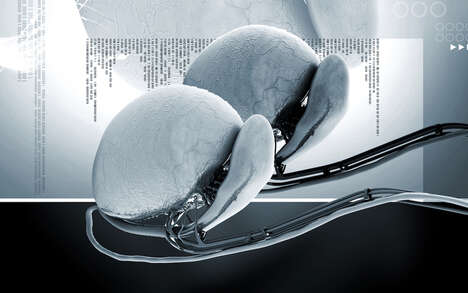
The first-ever entirely manmade DNA cell has been created. According to MSNBC, using synthetic biology, scientists have installed an artificial genome inside a host cell without DNA. This host cell came to life and began reproducing.
This manmade DNA is a huge milestone in science history, but there are a few glitches. The genes that did work and were functional weren't entirely useful. Regardless, the manmade DNA is a pretty big deal in the science world and opens up doors for the future in hopes that drugs will eventually be cheaper and more easily accessible.
Key Themes Behind This Trend
- Synthetic Biology
- The creation of manmade DNA cells using synthetic biology presents opportunities for disruptive innovation in areas such as drug development and genetic engineering.
- Artificial Genome
- The installation of an artificial genome inside a host cell without DNA has the potential to revolutionize fields like biotechnology and bioengineering.
- Improved Access to Drugs
- The development of manmade DNA cells could lead to advancements in drug production, making medications more affordable and accessible to larger populations.
Where This Applies
- Biotechnology
- The field of biotechnology stands to benefit from the application of synthetic biology techniques in creating manmade DNA cells.
- Pharmaceuticals
- The pharmaceutical industry could potentially be disrupted by the use of manmade DNA cells, leading to new approaches in drug development and production.
- Bioengineering
- Advancements in artificial genomes and manmade DNA cells present opportunities for disruptive innovation in the field of bioengineering, enabling the creation of novel organisms and customized biological systems.