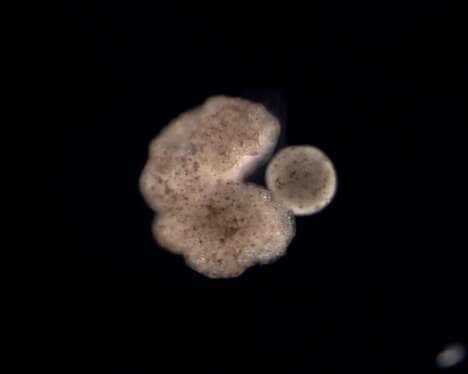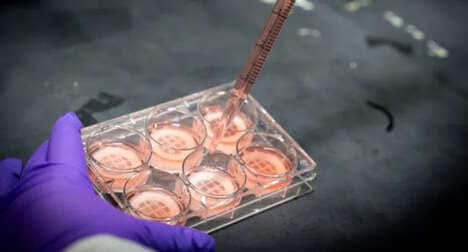
A team of scientists led by Dr. Nitzan Gonen worked on creating lab-grown testicles at Bar-Ilan University with the Testis Organoids project. They look into understanding its functions and promoting male fertility as a whole by engineering a collection of immature cells from the testicles of newborn mice.
This is then observed to mirror the testicular tissue and the cells are nurtured in the lab over nine weeks while it is still in the early stages of development. During this time, they began to show signs of early sperm cell production. This is an important function of creating testicles that are both artificial and fully functional. Additionally, these cells also separate and organize themselves into tubular structures.Dr. Gonen states, “Artificial testicles are a promising model for basic research on testicle development and function, which can be translated into therapeutic applications for disorders of sexual development and infertility."
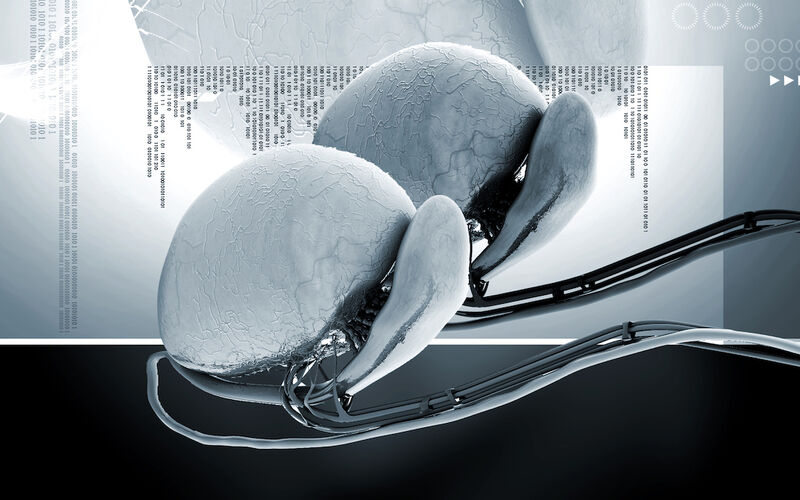
Image Credit: Krishnacreations | Dreamstime.com
What Makes This Trend Stand Out
- Artificial Testicles Creation
- Innovation opportunity lies in developing lab-grown testicular tissue and exploring early sperm cell production.
- Organoid Research Advancements
- Opportunities exist in understanding functions of organoids like testis and their potential for fertility research.
- Cellular Engineering Breakthroughs
- Exciting prospects in engineering immature cells for therapeutic applications in reproductive biology.
Sectors Adopting This
- Biotechnology
- Biotech sector can leverage artificial testicle creation for advances in reproductive health and fertility treatments.
- Regenerative Medicine
- Regenerative medicine field can benefit from organoid research to develop innovative solutions for reproductive disorders.
- Stem Cell Technology
- Stem cell industry has the potential to revolutionize reproductive biology through cellular engineering breakthroughs.