A pendant lamp can make a bold statement without a particularly weighty impression, and the proof is in the Lulu Light. This charming illuminator is composed of paper-thin sheets that have been fixed together easily for a remarkable lightweight design.
Jean-Sébstien Lagrange makes use of the cutting-edge DuPont material called Tyvek that's essentially a synthetic paper product. It's been cut into triangular pieces that, when arranged side-by-side, come to form a vaguely conical shape.
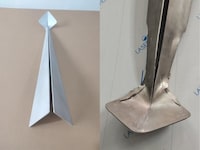
But before the segments are linked, they're each folded in three places. When the Lulu Light comes together, it consequently takes a unique silhouette with a multifaceted look. This folded origami-like treatment of the Lulu Light produces detailing through the creases when the fixture is on.
What's Driving This Trend
- Lightweight Design
- The use of paper-thin sheets and synthetic materials like Tyvek allows for the creation of lightweight and easy-to-install lighting fixtures.
- Origami-inspired Design
- Incorporating origami-like folding techniques in lighting design enables unique silhouettes and intricate detailing.
- Synthetic Paper Products
- Using innovative materials like Tyvek as a synthetic paper alternative opens up new possibilities for creative and sustainable lighting solutions.
Who This Affects Most
- Interior Design
- The lightweight and visually striking Lulu Light appeals to interior designers looking for innovative lighting options.
- Sustainable Design
- The use of synthetic paper products in lighting design aligns with the growing demand for sustainable and eco-friendly solutions.
- Art and Craft Supplies
- The incorporation of origami-like folding techniques in lighting design creates opportunities for manufacturers of art and craft supplies.