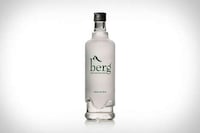
The Loch Ness bottled water satisfies thirst, while carrying with it the legendary spirit of Nessie. The product is directly sourced from the famous body of water and it is prepared and bottled in the Scottish Highlands. With each glass, the consumer has the ability to "ponder on whether Nessie has swam through [his] very own bottle of Loch Ness Water." Based on its origin, the Loch Ness bottled water is like no other.
The founder of the company is John Oag, who was brought up in the Highlands and harbored a deep fascination with the myth of the Lock Ness Monster. As a kid, he often wondered why it was that no one tapped into the drinking potential of the famous lake.
Why This Trend Is Growing
- Myth-inspired Beverages
- There is an opportunity for brands to create unique beverage products that tap into the fascination with mythical creatures and legends.
- Location-based Sourcing
- Brands can explore sourcing materials or ingredients from specific locations with natural or cultural significance to create a unique selling point for their products.
- Emotional Branding
- Building a brand around a captivating story or myth can evoke strong emotional connections with consumers, leading to increased brand loyalty.
Industries Being Reshaped
- Beverage Manufacturing
- Beverage manufacturers can leverage the popularity of myth-inspired beverages by creating new products that cater to consumers' fascination with mythical creatures and legends.
- Water Bottling
- The water bottling industry can explore opportunities to source water from specific natural locations, such as famous bodies of water, to offer consumers a unique experience and story behind their bottled water.
- Tourism and Souvenirs
- The tourism and souvenir industry can capitalize on the appeal of location-based products by offering merchandise, such as bottled water, that is sourced from iconic natural or cultural landmarks.