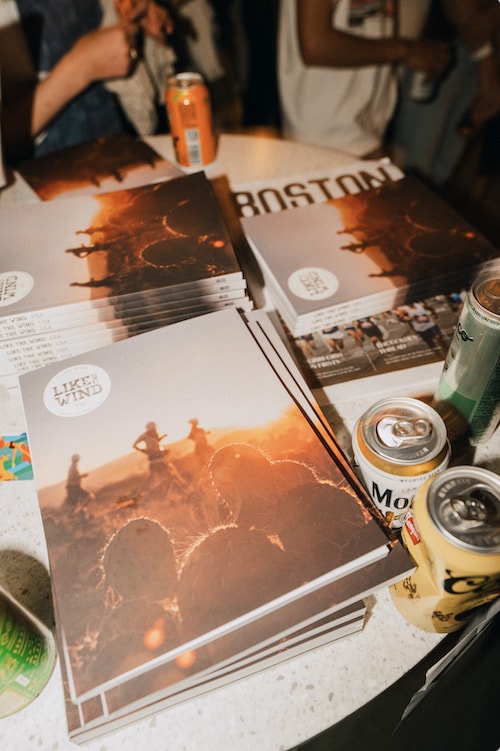
Like the Wind Magazine is a quarterly publication renowned for its coffee-table aesthetic and deep exploration of running culture. The entity has expanded its footprint with the launch of a dedicated United States edition, which joins an existing Japanese version and paves the way for future French and German releases.
The new North American iteration of Like the Wind Magazine retains the core DNA of the original global magazine, including its signature high-quality heavy paper, striking photography and illustrations, and exceptional printing standards. Approximately 20% of the content is dedicated to stories uniquely relevant to a North American readership.
All in all, Like the Wind Magazine deliberately distinguishes itself from typical running media by eschewing product reviews and training tips in favor of long-form storytelling that delves into the human experience of the sport and captures the emotional, social, and cultural dimensions that surround the act of running.
Image Credit: Like the Wind Magazine
What Makes This Trend Stand Out
- Design-forward Publishing
- Premium print formats are creating whitespace for collectible magazines that compete on tactile design, visual art, and cultural depth rather than disposable information.
- Localized Global Editions
- Region-specific storytelling gives international media brands a path to deepen reader identity while preserving a recognizable editorial aesthetic across markets.
- Human-centered Sports Media
- Narratives centered on community, emotion, and personal meaning are redefining sports coverage beyond gear reviews, metrics, and performance advice.
Sectors Adopting This
- Magazine Publishing
- The magazine sector is seeing renewed value in high-quality physical editions positioned as collectible cultural objects for passionate niche audiences.
- Running
- The running market is evolving around lifestyle, belonging, and storytelling, creating room for experiences that extend beyond shoes, races, and training plans.
- Creative Services
- Demand for premium photography, illustration, and print production supports new collaborations between artists, publishers, and athletic communities.