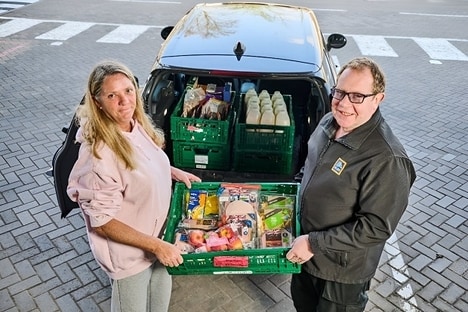
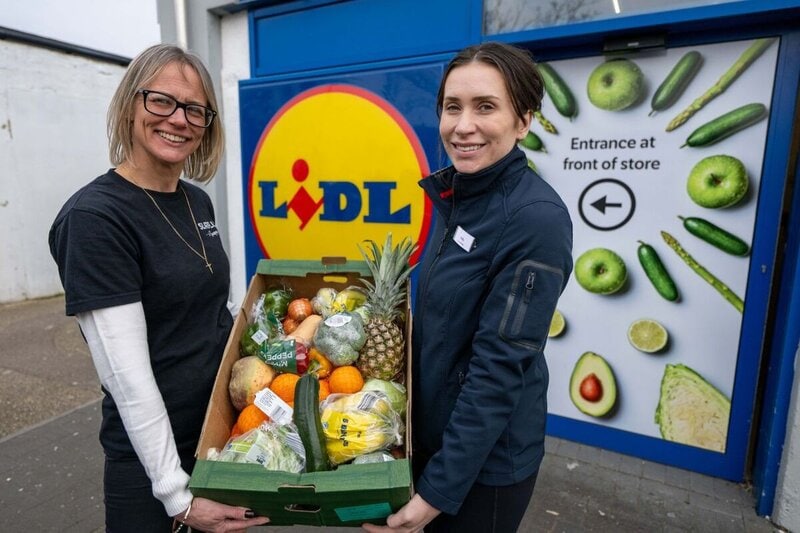
This Lidl redistribution partnership has been announced as part of the brand's initiative to build on its anti-food waste strategy. The initiative is built on the brand's redistribution partnership with Neighbourly and now includes food sharing app Olio, which will grow from 20 locations to almost 200 across the UK. The partnership will see Olio volunteer Food Waste Heroes stepping in to help get surplus fresh produce, meat and bakery items to families, shelters and community groups who need it most when local charities can't make it.
A spokesperson for the brand commented on the Lidl redistribution partnership saying, "Our trial has already been rescuing 1,200kg of food every week. As we roll this out nationwide by the end of the year, we’re on track to save 5,000 tonnes of food annually – the equivalent of nearly 11.9 million meals. A massive thank you to our store teams and local volunteers making these pickups seamless every day.”
Key Themes Behind This Trend
- App-enabled Food Redistribution
- Digital food-sharing platforms are expanding retailers' ability to route surplus inventory to local recipients when traditional charity pickup networks have capacity gaps.
- Volunteer-powered Retail Logistics
- Community volunteer networks create flexible last-mile systems for rescuing perishable goods from stores and moving them quickly to families, shelters, and local groups.
- Scalable Waste-to-meal Programs
- Retailers are converting food waste targets into measurable meal-equivalent outcomes, creating new value in sustainability reporting and community impact partnerships.
Where This Applies
- Grocery Retail
- Supermarkets are gaining new pathways to reduce shrink, strengthen ESG performance, and build local trust through surplus food redistribution ecosystems.
- Food Technology
- Food-sharing apps are becoming infrastructure partners for retailers by matching time-sensitive surplus supply with distributed community demand.
- Nonprofit Services
- Charities and community organizations benefit from hybrid redistribution models that extend food access without relying solely on fixed pickup schedules or centralized donation systems.