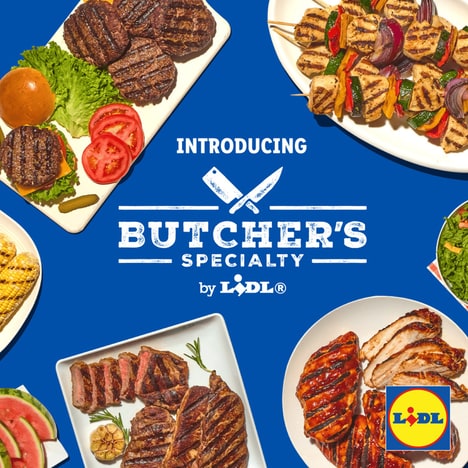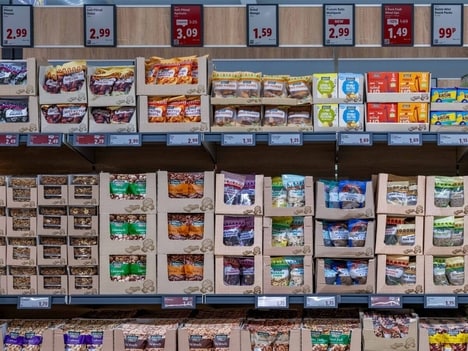
These new Lidl GB price cuts are being rolled out by the grocer as part of its £250 million investment in slashing costs for customers in a bid to support consumers who are feeling the pinch of high prices.
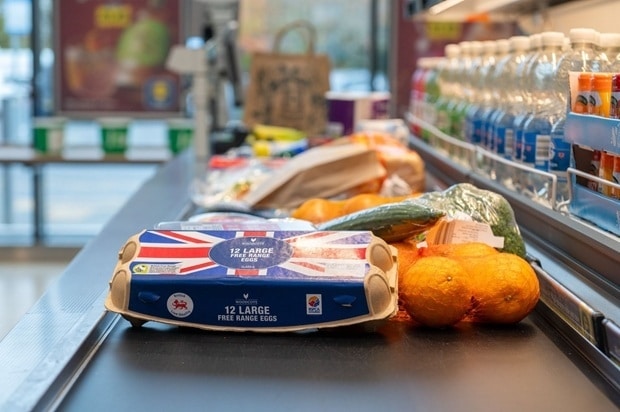
The initiative has seen the company drop the price on more than 1,000 items including essentials like fruits, vegetables, milk, eggs, fresh meat, bread and yogurt. The company will also be investing more in its Lidl Plus app with the launch of Lidl Points and additional tailored deals, which have shown popularity amongst regular shoppers.
Chief Commercial Officer Richard Bourns spoke on the Lidl GB price cuts saying, "We know customers continue to face pressure on their household budgets, especially heading into the summer months. Our £250 million investment in lowering prices on over 1,000 products ensures customers get even better value. This latest investment, combined with a significant increase in promotions via the Lidl Plus app, reinforces our unwavering commitment to deliver the highest quality products at the lowest possible prices.”
What's Driving This Trend
- Value-driven Grocery
- Persistent household budget pressure is accelerating demand for retailers that combine broad price reductions with credible quality assurances across everyday essentials.
- Personalized Savings Apps
- Digital loyalty platforms with points, tailored offers, and promotion targeting are reshaping how grocers protect margins while delivering visible savings to frequent shoppers.
- Essential Goods Deflation
- Large-scale cuts on staples such as produce, dairy, meat, and bread create room for private-label growth, supplier renegotiation, and data-led pricing models.
Who This Affects Most
- Grocery Retail
- Supermarkets are increasingly competing through investment-backed affordability campaigns that turn price perception into a central driver of customer acquisition and retention.
- Consumer Loyalty Technology
- Retail app ecosystems are becoming strategic infrastructure for personalized discounts, behavioral data collection, and more adaptive promotional economics.
- Food Supply Chain
- Lower shelf prices on high-volume essentials place new pressure on procurement, logistics, and supplier partnerships to unlock efficiency without eroding product standards.