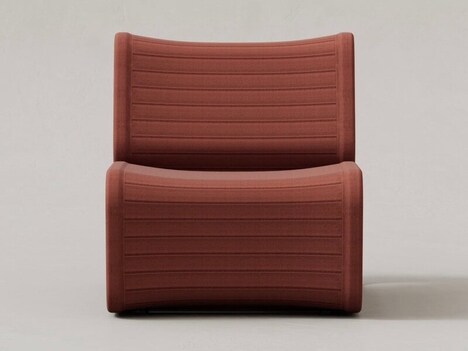
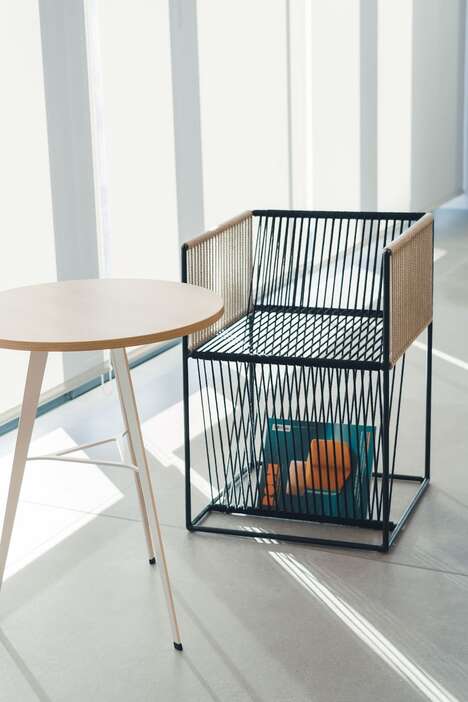
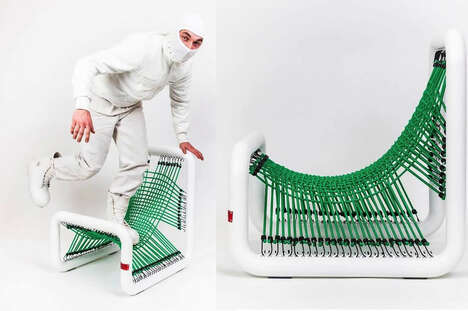
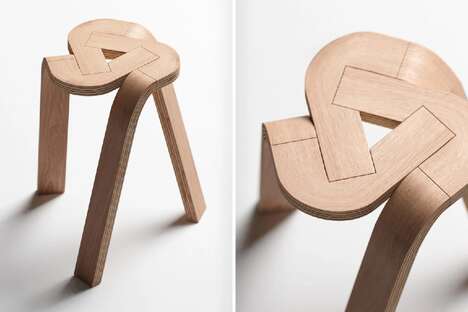
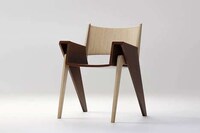
Although the Knot Chair features a minimalist design, the beauty of it is all in its deceptively intricate details. Composed out of solid beech wood, plywood and paper-code, it is held together by a knotting technique to give it a unique finish.
Designed by Tatsuo Kuroda, the Knot chair boasts four separate pieces that are bound together with paper-code that has been knitted together for a visually interesting boost to the entire piece of furniture.
Why This Trend Is Growing
- Minimalist Design
- Disruptive innovation opportunity: Explore new materials and techniques to create visually interesting and unique furniture pieces with a minimalist design.
- Intricate Details
- Disruptive innovation opportunity: Develop new ways to incorporate intricate details into furniture designs using unconventional materials and construction methods.
- Knitted Paper-code
- Disruptive innovation opportunity: Utilize unconventional materials like knitted paper-code to add texture and aesthetic appeal to furniture designs.
Industries Being Reshaped
- Furniture Manufacturing
- Disruptive innovation opportunity: Explore the use of innovative materials and techniques to create unique and visually appealing furniture designs.
- Interior Design
- Disruptive innovation opportunity: Incorporate intricate and visually interesting furniture pieces into interior design concepts to enhance the overall aesthetics of a space.
- Art and Craft Supplies
- Disruptive innovation opportunity: Develop and market new materials like knitted paper-code for use in art and craft projects, expanding the range of options for creative individuals.