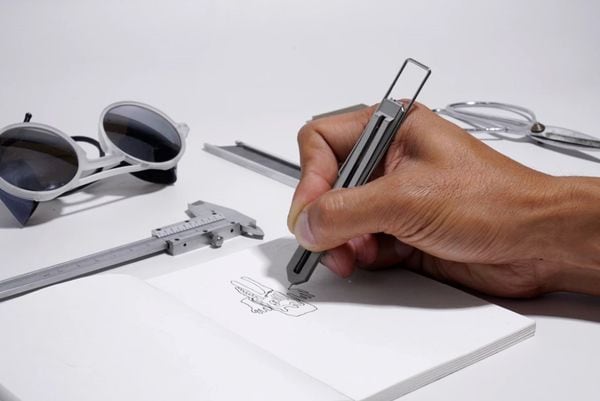


In an era when consumers are seeking to limit their use of natural resources such as paper, Karst -- a new paper provider and distributor -- has set itself apart with the launch of its new stone-derived paper. The material of these sustainable pages is not the only intriguing aspect of the paper, it is also waterproof and tear-resistant. Moreover, Krast's paper is fully recyclable, biodegradable, and carbon neutral.
This new stone paper is a great solution to traditional paper that's made from trees and could drastically revolutionize the paper industry and help prevent climate change. As trees remove carbon from the atmosphere, eco-conscious consumers will be drawn to products like Karst's stone-derived paper that help prevent deforestation and support healthy eco-systems.
What's Driving This Trend
- Eco-friendly Materials
- Karst's stone-derived paper could lead to a trend in creating eco-friendly versions of traditional products.
- Sustainable Packaging
- The waterproof and tear-resistant aspects of Karst's stone paper could disrupt the traditional paper packaging industry and encourage the use of more eco-friendly options.
- Circular Economy
- Karst's fully recyclable and biodegradable stone paper could lead to a circular economy trend in the paper industry, reducing waste and promoting sustainability.
Who This Affects Most
- Paper Manufacturing
- The paper industry could benefit from implementing sustainable practices and utilizing eco-friendly materials, like Karst's stone-derived paper.
- Packaging Industry
- The waterproof and tear-resistant aspects of Karst's stone paper could disrupt the traditional paper packaging industry by encouraging the use of more sustainable and eco-friendly options.
- Printing Industry
- The printing industry could reduce its carbon footprint and promote sustainability by adopting Karst's stone paper as an eco-friendly printing material.