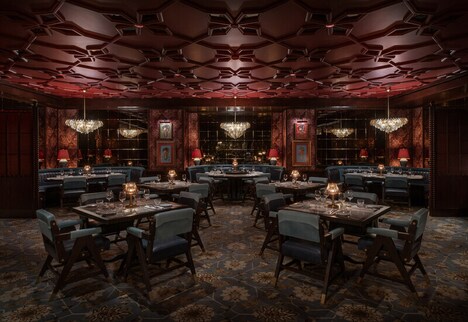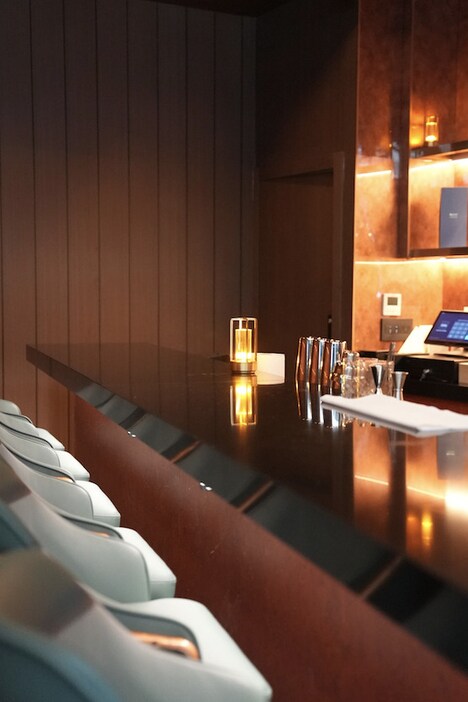
JINYA Holdings opened a new West Hollywood flagship called JINYA. on April 17, presenting a full-service Japanese restaurant featuring a central Live Fire Grill designed to showcase wood- and charcoal-fired flavors alongside sushi and cocktails. The launch represents founder Tomo Takahashi’s intent to consolidate the brand’s evolution into a single, elevated concept.
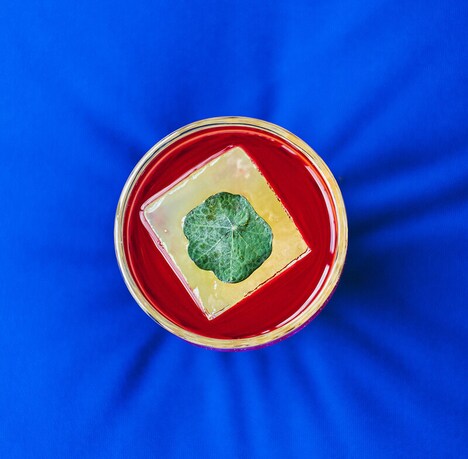
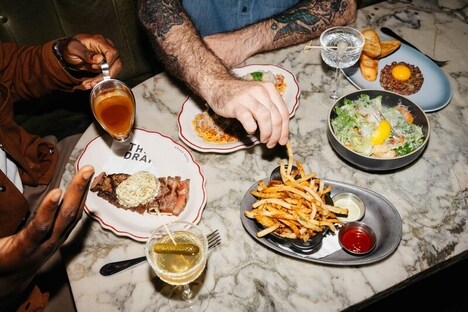
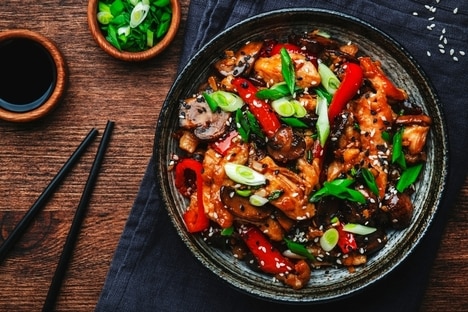
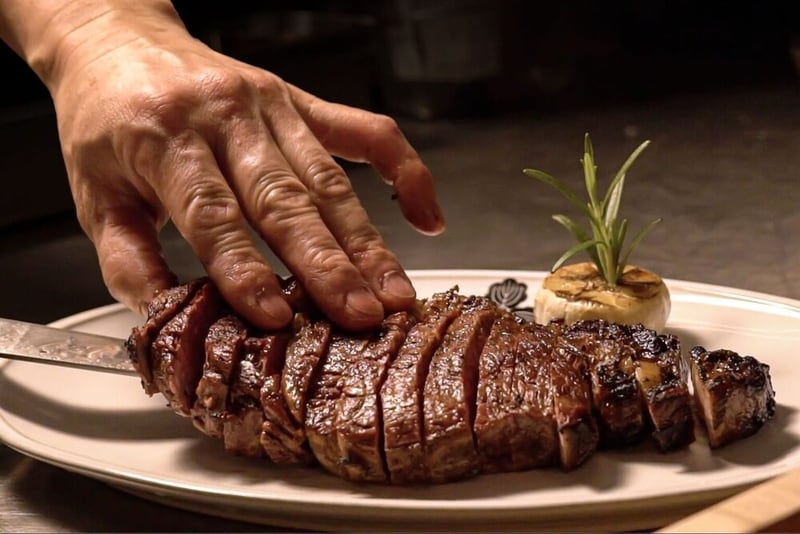
The dining room emphasizes shareable starters, dry-aged seafood and meats, premium nigiri and a cocktail program tailored to smoky, fire-forward dishes. A climate-controlled aging room supports dry-aging for items like Ora King salmon and ribeye, while menu highlights include A5 wagyu carpaccio, live-fire 16-ounce ribeye and lobster garlic noodles.
For diners, JINYA. offers a theatrical, texture-forward experience that merges traditional Japanese technique with modern grilling intensity, making fire-centric cooking a centerpiece of premium casual dining and signaling a trend toward multi-method, ingredient-led restaurant flagships.
Image Credit: JINYA Holdings
Why This Trend Is Growing
- Live-fire Gastronomy
- The elevation of wood- and charcoal-fired cooking as a central dining spectacle creates room for novel chef-driven menus and fire-specific culinary techniques that redefine flavor profiles.
- Texture-forward Dining
- A focus on contrasting textures across shareable starters, dry-aged seafood and premium nigiri encourages innovation in ingredient preparation and plating to heighten sensory engagement.
- Multi-method Ingredient-led Flagships
- Integrating aging rooms, sushi bars and live-fire grills within a single concept fosters experimental operational models that center provenance and preparation diversity as brand differentiators.
Industries Being Reshaped
- Casual Dining Restaurants
- Upscaling casual concepts with theatrical cooking stations and premium proteins introduces new service formats that blur lines between casual and fine dining experiences.
- Premium Seafood and Meat Suppliers
- Demand for dry-aged seafood like Ora King salmon and A5 wagyu opens opportunities for supply chain specialization around aging, traceability and quality-tiered sourcing.
- Hospitality Design and Equipment
- The need for climate-controlled aging rooms and safe indoor live-fire grills encourages development of integrated kitchen-dining architectures and specialized ventilation technologies.