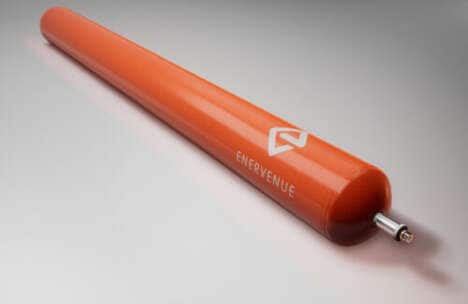
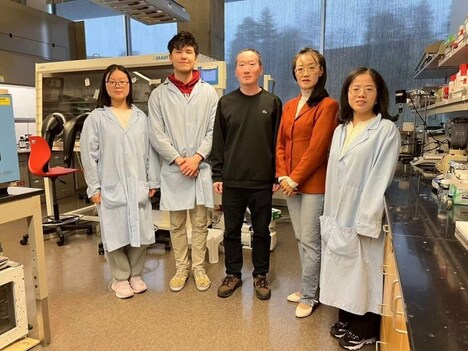
Dr. Sri Narayan and his team at USC have drastically improved the iron-air battery. When the battery was first conceived in the 1970s it lost up to 50% of the energy within it. Dr. Narayan has added bismuth to the batteries (which can also be found in Pepto-Bismol) to reduce this energy loss to only 4%!
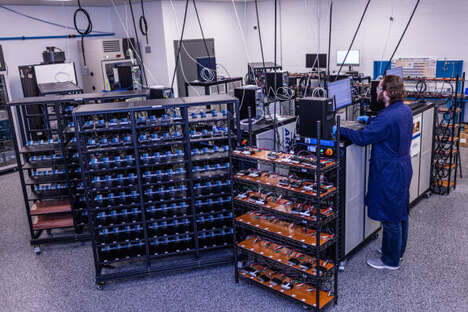
The iron-air battery generates energy through the oxidation of iron plates -- a process similar to rusting. The batteries can store between eight and 24 hours of power.
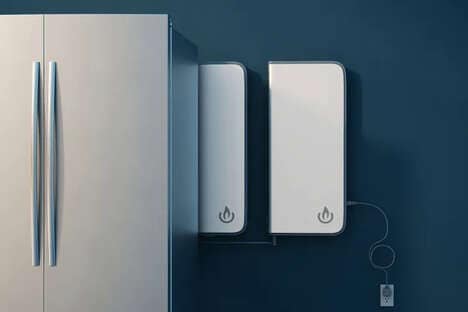
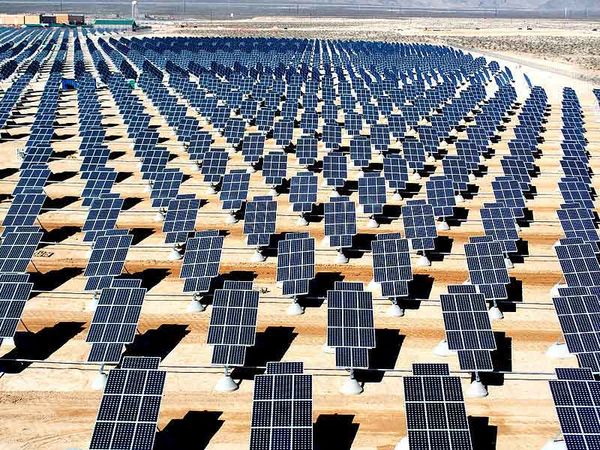
Though solar and wind power generation are getting better and better, there remains a difficulty in storing this energy for use when it is not sunny or windy. The iron-air battery is a possible solution to this issue.
Dr. Narayan is still working on the battery to make it able to store even more energy. He also has a patent pending on the technology.
What Makes This Trend Stand Out
- Improved Iron-air Battery
- The improved iron-air battery with reduced energy loss provides an eco-friendly energy storage solution.
- Renewable Energy Storage
- Iron-air batteries offer a potential solution for efficient energy storage, addressing the challenge of intermittency in renewable energy sources.
- Bismuth-enhanced Batteries
- The integration of bismuth in batteries demonstrates the potential for incorporating new materials to enhance energy storage capabilities.
Sectors Adopting This
- Renewable Energy
- Iron-air batteries have disruptive innovation potential in the renewable energy industry, enabling efficient energy storage for solar and wind power systems.
- Battery Technology
- The advancements in iron-air batteries present disruptive innovation opportunities in the battery technology industry, with potential for improved energy storage solutions.
- Clean Technology
- The development of eco-friendly iron-air batteries aligns with the growing market demand for clean technology, offering disruptive innovation for energy storage solutions.