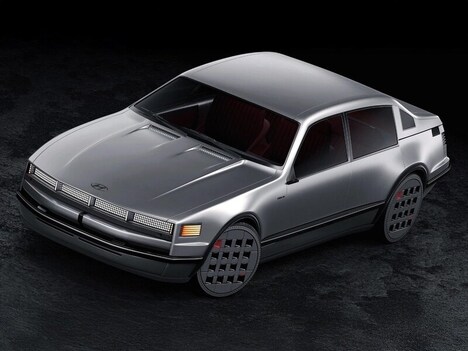
South Korean company Hyundai introduces a look at its new INTEROID EV, which is an electric car that is fully designed with inspiration from video games. It even features a pixelated design aesthetic further supported by a power-packed performance to elevate its functions. The team unveils a special teaser video to excite fans alike along with images that will follow with a full reveal next month at the Seoul Mobility Show.
The car is based on the affordable INSTER electric sub-compact and the brand describes it as "funky, youthful, and muscular nature." The exterior has a lot of playful details including the flared wheels with air vents, pixelated headlights, an aggressive spoiler at the back, and a roof scoop.
Image Credit: Hyundai
Key Themes Behind This Trend
- Gamified Vehicle Design
- Vehicles inspired by video game aesthetics symbolize a shift towards more engaging and personalized automotive design.
- Pixelated Aesthetic in Automotive
- The adoption of pixelated designs in vehicles reflects a trend towards blending digital culture with traditional manufacturing processes.
- Seamless Digital-automotive Integration
- The integration of video game design elements into electric vehicles showcases a convergence of the gaming and automotive industries, offering new immersive consumer experiences.
Where This Applies
- Automotive Manufacturing
- The automotive industry is experiencing disruptive change as it incorporates elements from the gaming sector, enabling unique vehicle personalization.
- Electric Vehicles
- Electric vehicles with design influences from gaming can capture a youthful market and rejuvenate interest in sustainable transportation.
- Video Game Design
- Video game design principles crossing over into physical product development signify growing opportunities for collaboration between digital and industrial designers.