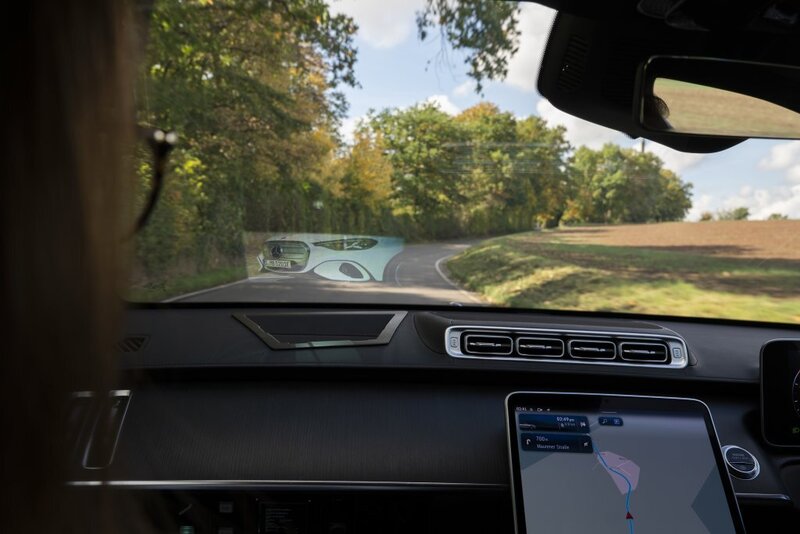
Intelligent automotive glass displays are being explored by Mercedes-Benz to transform vehicle windows into communication surfaces. The technology integrates miniature LED elements directly into glass, allowing vehicles to potentially display warning symbols, braking signals, and traffic information. These displays remain nearly invisible when inactive, preserving the vehicle's appearance while introducing additional communication possibilities.
Mercedes-Benz is also developing holographic windshield technology that uses projected light and specialized transparent film to display information from selected viewing angles. Separately, its programmable power converter regulates energy from individual battery cells, supporting up to 800 volts with a current output of 3 kW.
For automakers, these developments could create opportunities to improve vehicle safety features, personalize information displays, and simplify electric powertrain designs. More flexible battery configurations could also support efficient vehicle development. All three technologies remain experimental, with no confirmed production applications.
Image Credit: Mercedes-Benz
Part of the cluster
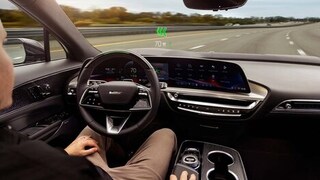
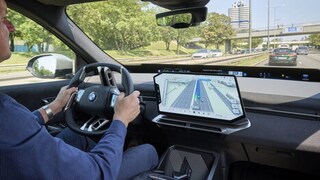
Driver Display
Vehicles merge guidance and visuals into adaptive in-car media
Explore the cluster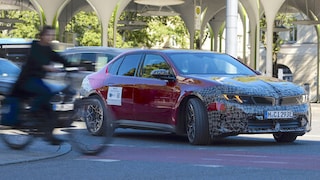
What Makes This Trend Stand Out
- Transparent Vehicle Interfaces
- Nearly invisible glass-embedded displays create new possibilities for exterior signaling, contextual alerts, and brand expression without altering vehicle design aesthetics.
- Holographic Windshield Displays
- Angle-specific projected information introduces a pathway for immersive driver assistance, passenger personalization, and layered in-cabin data visualization.
- Programmable EV Power Systems
- Cell-level energy regulation supports more flexible battery architectures, simplified electric powertrain development, and higher-efficiency vehicle platforms.
Sectors Adopting This
- Automotive Manufacturing
- Vehicle makers can differentiate future models through integrated communication surfaces that merge safety messaging, design continuity, and advanced electronics.
- Mobility Technology
- Connected transportation ecosystems benefit from windows that can display real-time warnings, traffic cues, and vehicle-to-environment communication signals.
- Electric Vehicle Components
- Power electronics suppliers gain relevance as programmable converters enable adaptable battery configurations and streamlined high-voltage system integration.