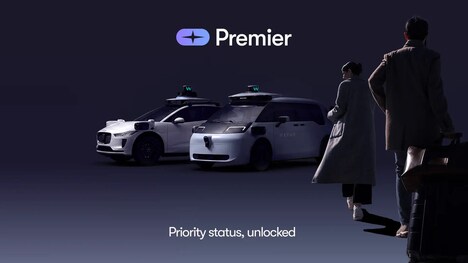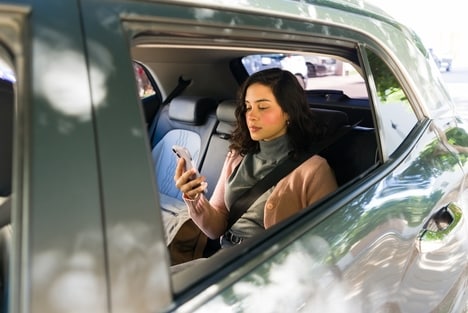
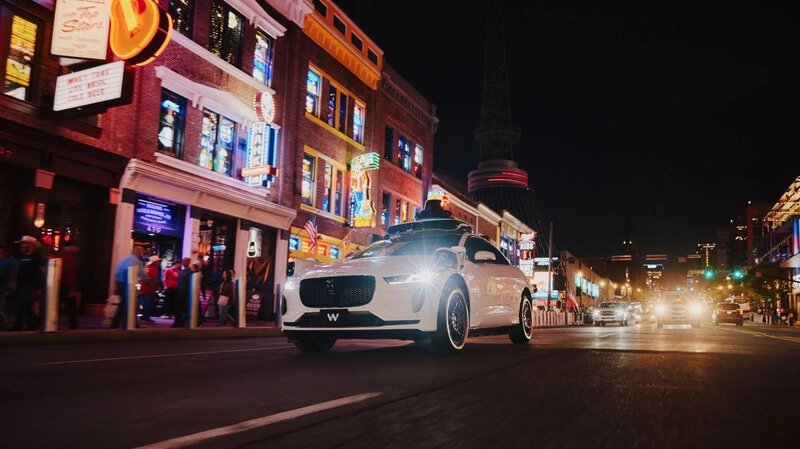
Lyft is expanding integrated robotaxi networks by making Waymo’s fully autonomous vehicles available through its rideshare platform in Nashville. Riders requesting Standard, Priority Pickup, Wait & Save, or Extra Comfort trips can be matched with a Waymo vehicle at no additional cost when traveling within the designated service area. A single autonomous fleet will be dynamically dispatched across both Lyft and Waymo, while Lyft subsidiary Flexdrive will manage vehicles through a new 80,000-square-foot Nashville depot.
The partnership gives Lyft a way to incorporate autonomous transportation without replacing its existing human-driven network, creating a hybrid model that can respond to varying rider demand. For Waymo, Lyft provides another distribution channel that can introduce its vehicles to more passengers as its fleet expands. Flexdrive’s involvement also gives Lyft a role in the operational infrastructure required to scale autonomous ridesharing across future markets.
Image Credit: Lyft
Part of the cluster
Driverless Expansion
Transport operators test self-running movement across roads and air
Explore the cluster

What Makes This Trend Stand Out
- Hybrid Autonomy Networks
- Blended fleets of human-driven and autonomous vehicles create room for dispatch systems that balance cost, availability, trust, and service quality across fluctuating urban demand.
- Platform-based Robotaxi Access
- Rideshare marketplaces are becoming distribution layers for autonomous mobility, opening possibilities for consumer adoption without requiring riders to download separate robotaxi apps.
- Autonomous Fleet Depots
- Large-scale vehicle hubs support the maintenance, charging, cleaning, and staging needs of robotaxi operations, making physical infrastructure a key differentiator in mobility expansion.
Sectors Adopting This
- Ridesharing
- The integration of autonomous vehicles into existing ride-hailing networks signals new competitive models where platforms combine driver labor, automation, and dynamic routing.
- Autonomous Vehicles
- Partnerships with established mobility platforms give self-driving vehicle companies faster access to riders, real-world trip density, and operational data in new markets.
- Urban Transportation
- City mobility systems are evolving around mixed human and autonomous services, creating new planning considerations for curb use, fleet depots, and multimodal connectivity.