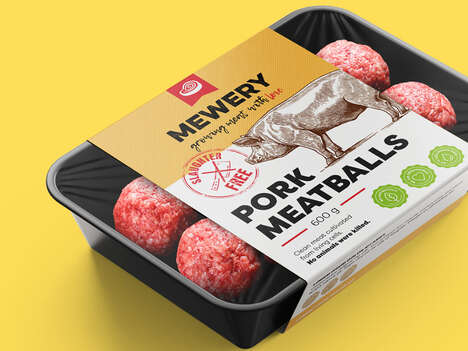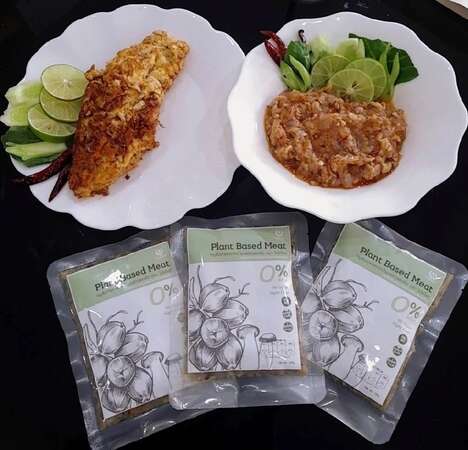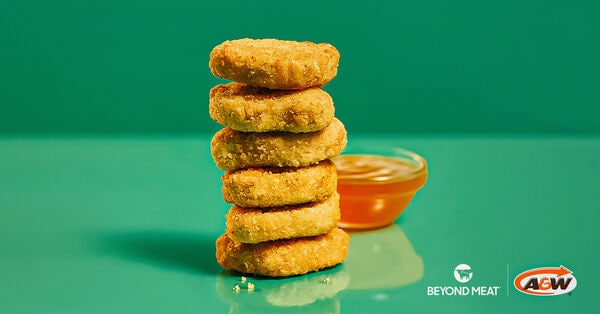
Impossible Foods' Pork is a newly released plant-based pork alternative that is coming to restaurants like Ruby Tuesday, Tim Ho Wan and Hong Kong’s Beef & Liberty. Shortly after, the vegan-friendly pork will be making its way to retail stores, helping to provide consumers with yet another kind of meatless alternative. While there are plenty of options when it comes to chicken or beef, this new product has the potential to help restaurants and at-home chefs create bold new dishes.
Impossible Foods’ president Dennis Woodside says, "Pork typically isn’t regarded as a healthy product. But here you have a substitute that tastes just as good and is actually better for you.” This meatless alternative to pork boasts 18 grams of protein. 37% fewer calories, 59% less fat and zero cholesterol in comparison to conventional ground pork.
What Makes This Trend Stand Out
- Meatless Pork Alternatives
- New plant-based pork alternatives are becoming available in restaurants and retail stores, offering consumers more meatless options.
- Reducing Meat Intake
- Increasing availability and variety of meatless alternatives may encourage consumers to reduce their meat intake.
- Health Benefits of Meatless Alternatives
- Meatless alternatives like Impossible Foods' Pork offer health benefits such as fewer calories, less fat, and zero cholesterol.
Sectors Adopting This
- Food and Beverage Industry
- Food and beverage companies can capitalize on the trend of meatless alternatives by developing and promoting their own plant-based products.
- Restaurant Industry
- Restaurant chains and individual restaurants can offer more meatless options on their menus to cater to vegetarian and health-conscious customers.
- Agriculture Industry
- The agriculture industry can supply alternative protein sources for the production of meatless alternatives, providing new business opportunities.