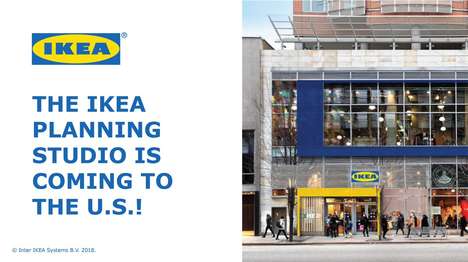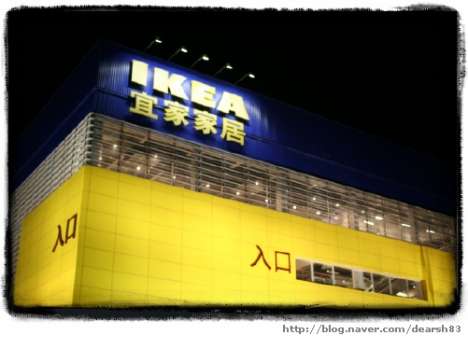
IKEA opened its first New Zealand store after a multi-year wait, drawing long lines of eager shoppers who queued for hours ahead of the launch. The global home-furnishings brand's arrival marked the completion of a project first announced seven years earlier and positioned the retailer to serve a new regional market directly. The main differentiator is that Kiwis now have in-person access to IKEA's full-format showroom and product assortment rather than relying solely on online orders or overseas trips.
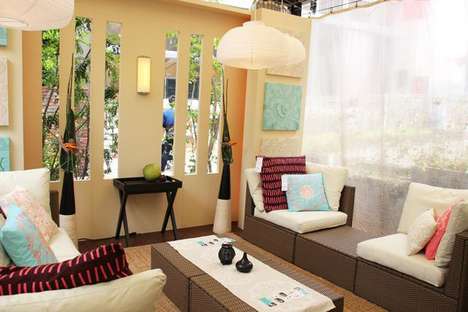
The store's design followed IKEA's recognizable layout of model rooms and self-serve flatpacks, offering the brand's signature mix of affordable furniture, homewares and Swedish-inspired food options on opening day. Promotions and the novelty of a long-awaited local entry helped drive traffic, while store staff managed queue logistics to handle the strong first-day turnout. The opening underscored IKEA's focus on expanding physical retail presence into previously underserved markets.
Image Credit: Shutterstock / Manu Padilla
Key Themes Behind This Trend
- Physical Retail Resurgence
- The opening of large-format, experiential stores is revitalizing interest in physical retail, providing consumers with a tangible and immersive shopping experience that cannot be replicated online.
- Localized Consumer Engagement
- Global brands entering new markets are tailoring store experiences to local cultures and preferences, enhancing customer connection and market penetration.
- Integrated Omnichannel Strategies
- Brands are blending physical store openings with robust online operations, creating seamless consumer journeys that capitalize on both in-store and digital opportunities.
Where This Applies
- Home Furnishings
- The retail home furnishings industry is evolving with new market entrants emphasizing extensive product layouts and local accessibility to meet growing consumer demand.
- Retail Logistics
- Innovative logistics management is becoming crucial in handling large consumer turnouts, especially during high-profile store openings, to ensure smooth operations and customer satisfaction.
- Food and Beverage Integration
- Home and lifestyle retailers are increasingly incorporating in-store dining options, expanding their value propositions and attracting a broader range of customers.