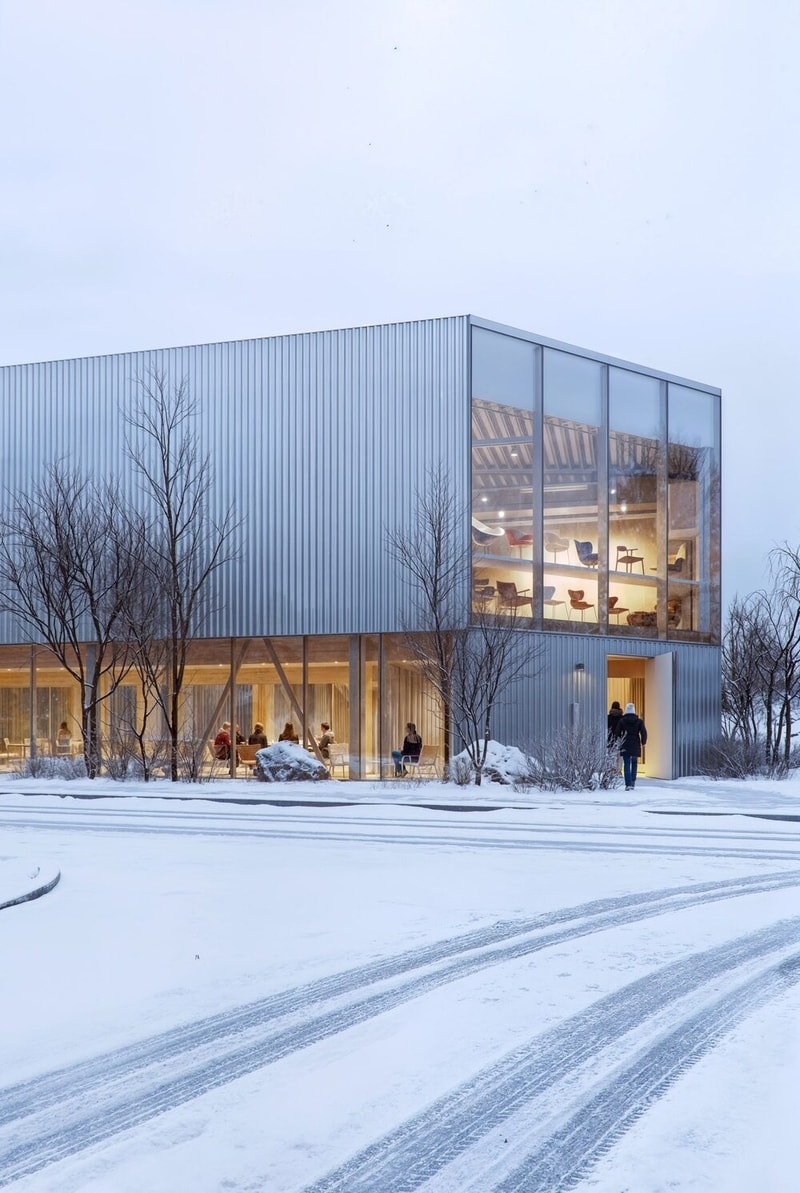
Cobe’s IKEA Museum of Furniture Studies is a proposal to transform a large timber warehouse in Älmhult, Sweden into a dedicated exhibition space for furniture design research and archives. The project repurposes an existing industrial structure, aligning with IKEA’s expansion of the museum following its acquisition and relocation of the former Stockholm-based collection. The design maintains the warehouse’s structural shell while introducing new interior volumes to house exhibitions, storage, and study areas.
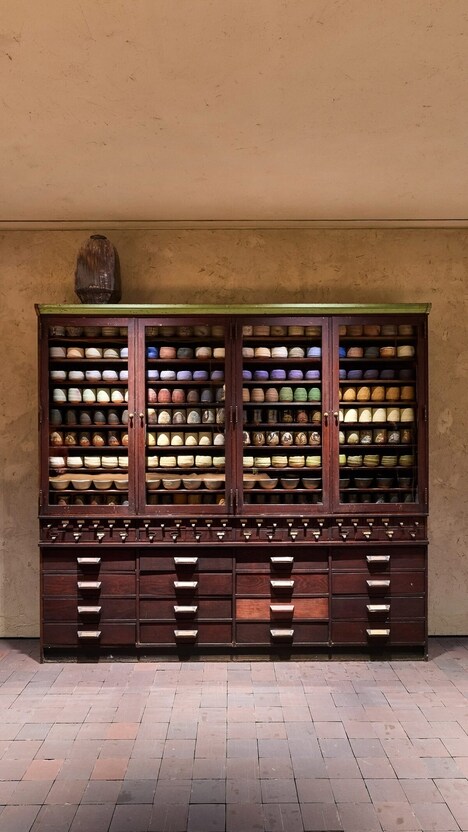
The scheme organizes the interior using modular timber elements that create flexible gallery layouts and controlled archival environments. Public exhibition areas are combined with behind-the-scenes storage and research facilities, allowing both display and preservation of over a thousand furniture pieces. Large openings and skylights are integrated to bring natural light into the space, while the overall intervention preserves the industrial character of the building.
Image Credit: IKEA
Why This Trend Is Growing
- Adaptive Reuse of Industrial Buildings
- Repurposing large industrial shells for cultural and research uses creates new value by converting underutilized real estate into public-facing knowledge hubs.
- Modular Timber Interior Systems
- Prefabricated timber modules that enable reconfigurable galleries and controlled archival zones introduce a scalable alternative to conventional museum fit-outs.
- Integrated Museum Archive Models
- Combining public exhibition spaces with on-site storage and research facilities blurs institutional boundaries and supports continuous scholarly engagement with collections.
Industries Being Reshaped
- Architecture and Design Firms
- Design practices that specialize in preserving industrial character while inserting flexible interior systems stand to redefine cultural adaptive reuse commissions.
- Museum and Cultural Institutions
- Institutions embracing hybrid display-storage formats could transform visitor experience and collection accessibility through transparent conservation practices.
- Timber and Engineered Wood Manufacturers
- Producers of cross-laminated timber and modular wood components may shift demand patterns by supplying structural and interior systems tailored for reversible interventions.