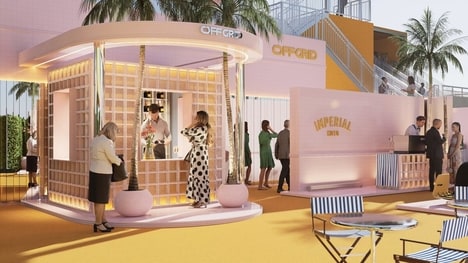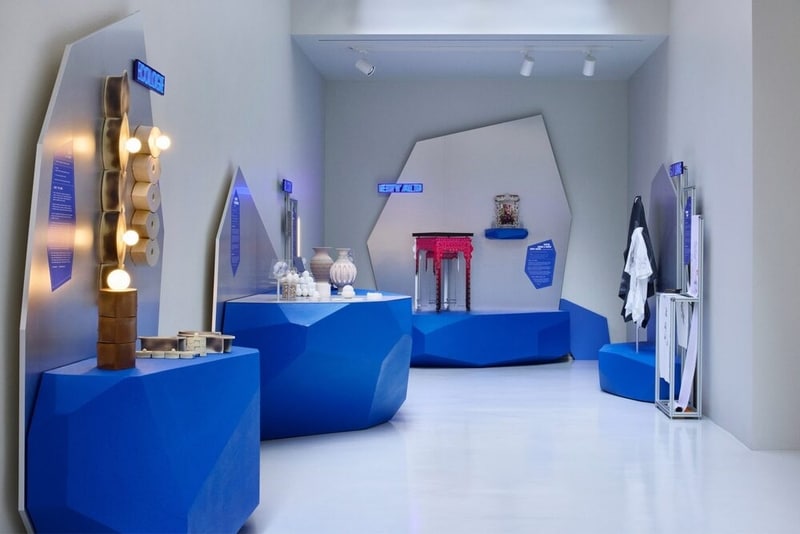
Prototype Island exhibition is a Singapore-led showcase presented by the DesignSingapore Council at Milan Design Week 2026, featuring 15 designers working across product, technology, and spatial design. Held at Foro Buonaparte in the Brera Design District, the exhibition positions Singapore as a “living prototype” nation, using design to respond to global challenges through experimentation and applied innovation.
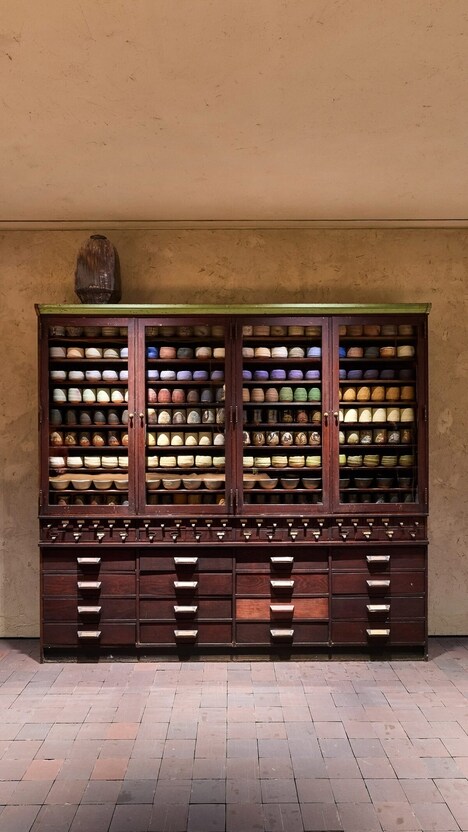
The exhibition is organized into three themes: technological and material ecologies, care infrastructures, and everyday systems. Projects include modular ceramic systems, AI-driven architecture platforms, 3D-printed tactile books, and patient-focused medical devices, each combining research, craft, and digital processes. Curated by Hunn Wai with Eian Siew and advisor Maria Cristina Didero, the show runs from April 20 to 26, 2026, alongside talks and programming exploring contemporary design practices.
Image Credit: Marc Cocksedge
Key Themes Behind This Trend
- Design-led National Branding
- The framing of a country as a ‘living prototype’ signals opportunities for nation-scale design programs that merge cultural identity with exportable innovation platforms.
- Hybrid Craft-digital Production
- Projects combining craft techniques with digital fabrication point to new manufacturing models that integrate local artisanal knowledge and scalable, on-demand production.
- Care-centric Design Systems
- A focus on care infrastructures and patient-centered devices highlights emergent ecosystems where design, empathy, and technology converge to reshape daily health and support services.
Where This Applies
- Healthcare Devices
- Patient-focused medical devices and tactile information tools indicate a shift toward personalized, design-driven medical solutions that prioritize usability and dignity.
- Architecture and Urban Systems
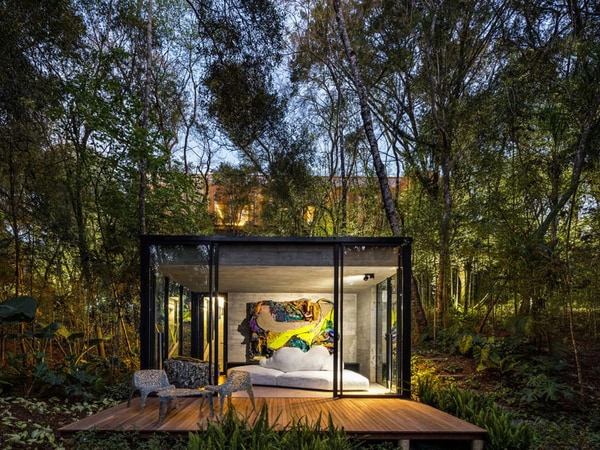
- AI-driven architecture platforms and spatial prototypes suggest the rise of adaptive built environments that respond dynamically to user needs and environmental conditions.
- Advanced Ceramics and Materials
- Modular ceramic systems and experimental material ecologies reveal potential for novel material supply chains and product categories rooted in sustainable, high-performance composites.