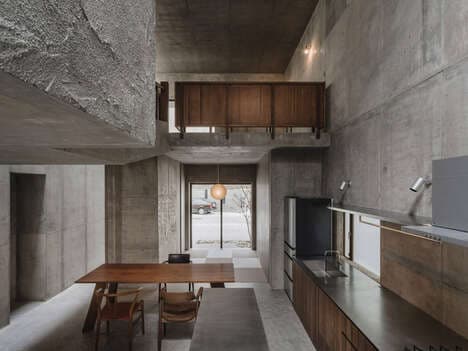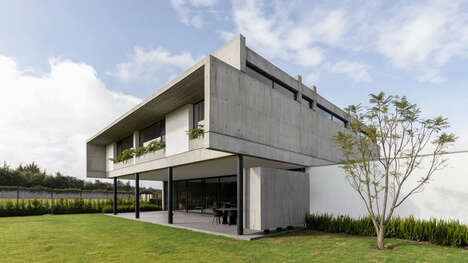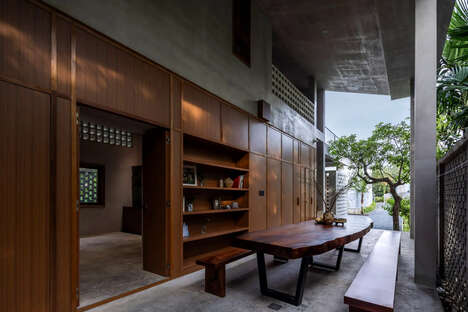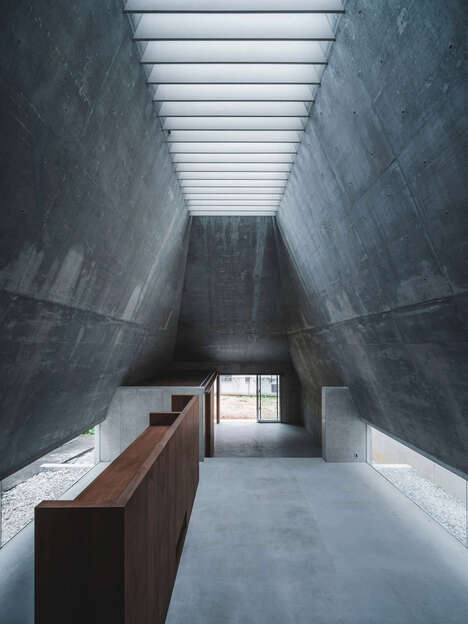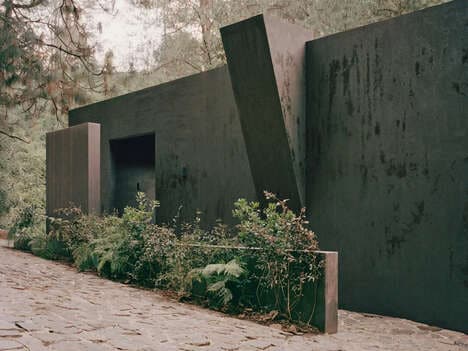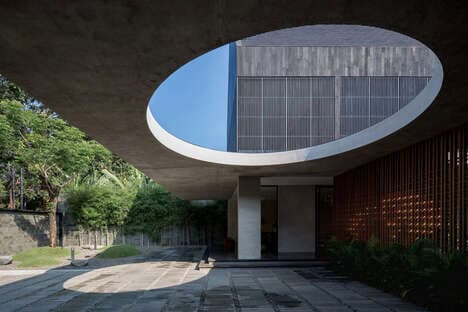
IH Residence in Bandung, Indonesia, was built by architecture studio Andramatin. The studio used a large, overhanging concrete roof to protect the glass-walled building from direct sunlight and heavy rainfall. IH Residence is a reinterpreted version of Dutch colonial manor houses.
Its concrete design contrasts the site's sloping gardens, bringing nature and industrial styles together. A series of sunken pools, bridges, and ramps decorate the home's surrounding landscape. Between the house's structure and the concrete roof is a shadow gap due to the roof's slight elevation. On the inside, the house creates different degrees of openness. The glass walls overlook a series of calming pools to the west, thereby blending the indoors and outdoors to create a versatile space.
Image Credit: Andramatin
What's Driving This Trend
- Concrete-roofed Houses
- The trend towards using concrete roofs in architecture creates a new space for innovation, particularly in the area of sustainable construction.
- Glass-walled Buildings
- The trend of constructing homes using glass walls is on the rise due to its ability to create a seamless indoor/outdoor living experience, opening the door for new technological approaches to home construction.
- Nature-inspired Architecture
- A trend towards incorporating elements of nature into architectural designs has created opportunities to create innovative, sustainable buildings that prioritize environmental protection.
Who This Affects Most
- Architecture
- The field of architecture is at the forefront of redefining how structures are designed and constructed, and new developments in materials and technology are key to advancing the industry.
- Construction
- Innovations in construction methods and materials are creating opportunities to develop environmentally sustainable structures that meet the needs of contemporary living.
- Interior Design
- As new materials and technologies become available for construction, designers have more flexibility in creating interiors that are both functional and aesthetically pleasing.