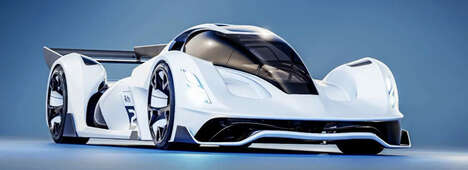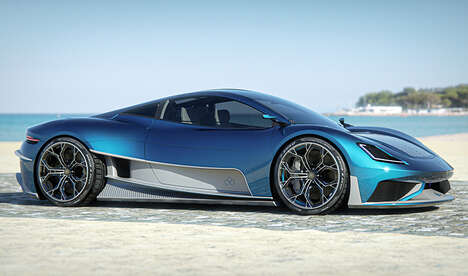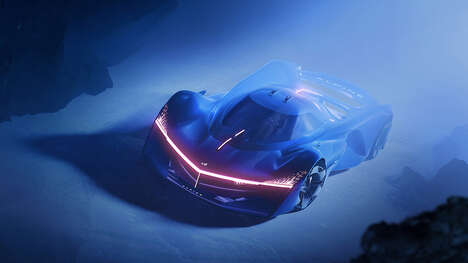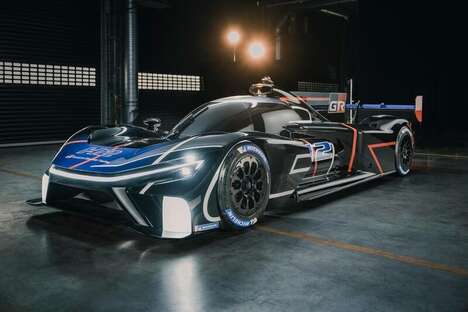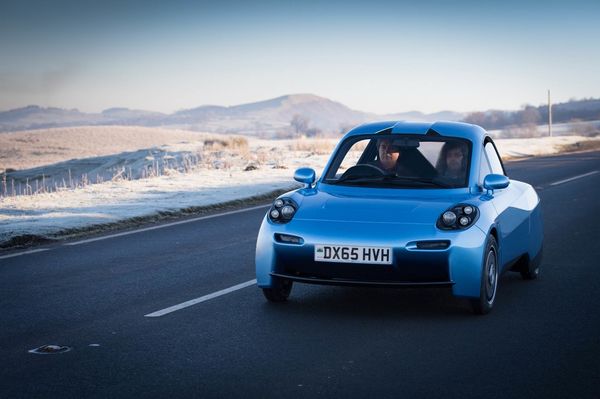
The Rasa is a futuristic and innovative hydrogen-powered car, launched by Riversimple Movement Ltd UK, that is essentially a hydrogen fuel-cell electric vehicle prototype that is reinventing the urban commuter car.
This particular vehicle is claimed to offer a fuel economy somewhere in the region of 250 miles per gallon. It is constructed with a super-lightweight carbon-fiber monocoque shell and is equipped with electric motors. It also boasts supercapacitors that are charged by braking-regeneration. These and a whole host of other high-tech features enable the Rasa to travel up to 483 km on just a 3.3-pound tank of hydrogen.
This hydrogen-powered car isn't just a fancy concept but is a fully road-legal two-seater prototype that offers an exceptional blend of fuel economy, lightness and performance on the road.
What Makes This Trend Stand Out
- Hydrogen-powered Cars
- Opportunity for companies to develop and commercialize hydrogen-powered vehicles as a clean and efficient alternative to traditional gasoline-powered cars.
- Fuel Economy Innovations
- Possibility for the automotive industry to focus on developing innovative technologies and systems that improve fuel efficiency and reduce carbon emissions.
- Lightweight Automotive Structures
- Demand for lightweight materials and structures in the automotive industry to enhance energy efficiency, agility, and overall performance of vehicles.
Sectors Adopting This
- Automotive Industry
- Opportunity for automakers to invest in research and development of hydrogen-powered cars, fuel-efficient technologies, and lightweight structures for vehicles.
- Renewable Energy Industry
- Potential for the renewable energy sector to expand its offerings by providing efficient and sustainable hydrogen production and distribution infrastructure.
- Materials and Manufacturing Industry
- Need for the materials and manufacturing industry to innovate and produce lightweight, strong, and cost-effective materials for use in automotive structures.