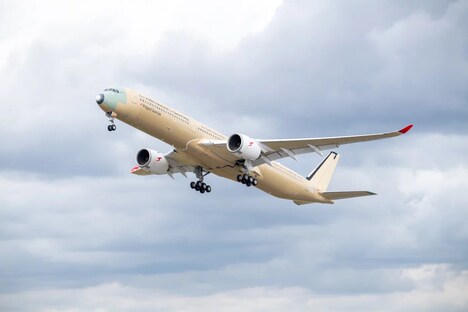

This hybrid aircraft concept has been shown off by Electra as part of its initiative to shift the design aesthetics of airplanes to achieve something entirely new. The concept has been developed for NASA's Advanced Aircraft Concepts for Environmental Sustainability (AACES) 2050 program and boasts a double bubble fuselage that has two tubular sections fused together. This will reportedly help with increasing the internal volume without having to increase the overall length of the aircraft.
The Electra hybrid aircraft concept puts two turbofan engines under the wings in focus to handle the majority of the thrust required, while also generating electrical power. The aircraft would also utilize a series of rear-mounted propulsory fans to reduce drag and recover energy before a detached wake is formed. The aircraft would provide capacity for up to 100 passengers.
Image Credit: Electra
What's Driving This Trend
- Hybrid-electric Regional Flight
- Hybrid-electric propulsion is reshaping mid-capacity aviation with lower-emission aircraft architectures suited to short-haul and regional passenger routes.
- Double-bubble Fuselages
- Expanded cabin volume from double-bubble airframes signals new potential for passenger capacity gains without proportional increases in aircraft length or airport footprint.
- Wake-energy Recovery
- Rear-mounted propulsory fans introduce aerodynamic efficiency gains by reducing drag and reclaiming energy before wake formation limits performance.
Who This Affects Most
- Commercial Aviation
- Airlines gain access to cleaner 100-passenger aircraft concepts that could improve route economics while supporting sustainability targets for regional networks.
- Aerospace Engineering
- Advanced fuselage shapes, distributed fans, and hybrid propulsion systems are broadening design pathways for next-generation aircraft performance and efficiency.
- Sustainable Transportation
- Low-emission aircraft concepts expand the sustainable mobility market beyond ground transport by linking electrification, fuel efficiency, and scalable passenger service.