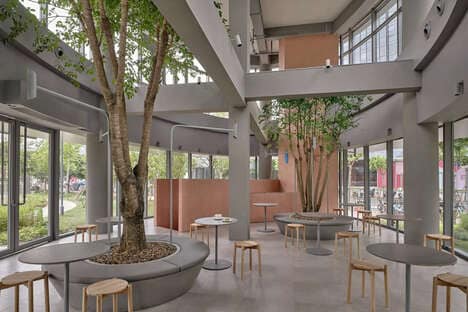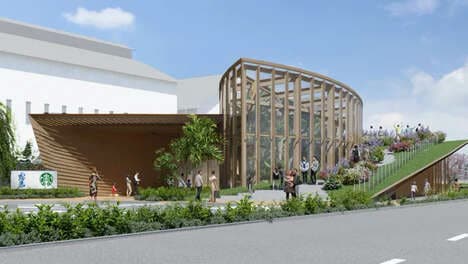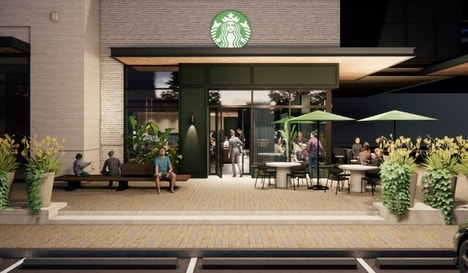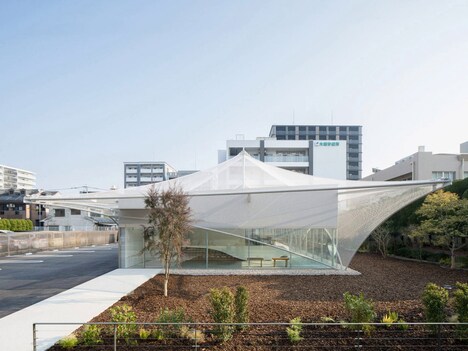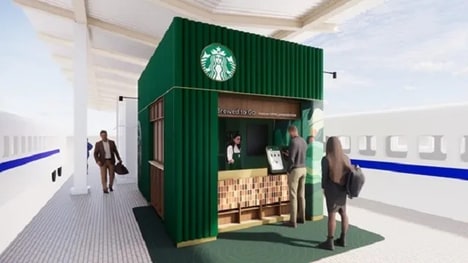
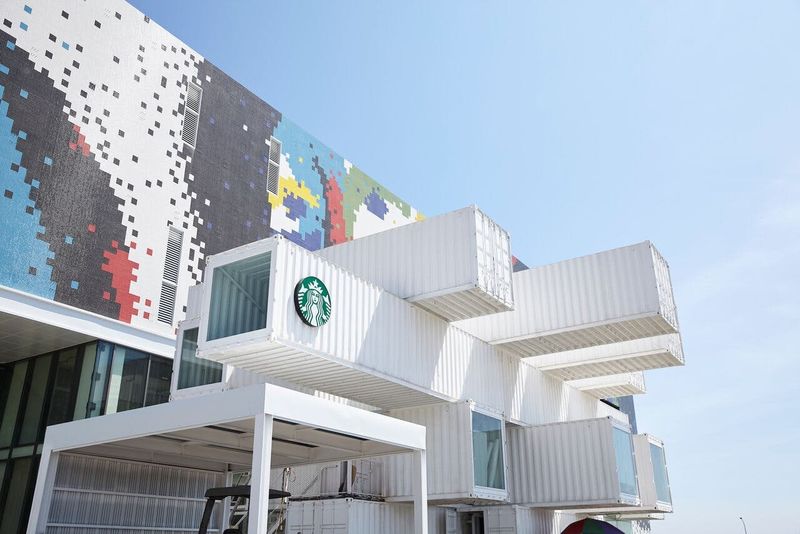
The Hualien Bay Mall Starbucks has been designed by Japan-based architect Kengo Kuma as a new location for the coffee brand that is located in Taiwan and sure to offer a distinctly unorthodox appearance amidst surrounding structures.
The cafe is made using a total of 29 shipping containers that work to offer a total of 3,444 square feet of retail and seating space that is spread over two floors. The containers have all been reinforced, modified and painted to give them a stylish aesthetic that doesn't skimp when it comes to ample area for the brand to operate.
The Hualien Bay Mall Starbucks comes as the brands 45th example of a shipping container cafe that speaks to its penchant for stressing sustainability in architectural terms.
Why This Trend Is Growing
- Shipping Container Architecture
- Innovations in designing and constructing buildings from shipping containers create opportunities for businesses to decrease their environmental impact while still providing functional structures.
- Pop-up Retail Spaces
- The use of shipping containers to quickly create retail spaces offers businesses an affordable and flexible option to explore new markets and engage with customers in unique ways.
- Sustainable Branding
- By incorporating sustainable architecture into their branding strategies, businesses can demonstrate their commitment to environmental responsibility and attract eco-conscious consumers.
Industries Being Reshaped
- Food and Beverage
- Incorporating shipping container architecture into food and beverage businesses presents opportunities to experiment with unique atmospheres and designs while also emphasizing sustainability in their branding.
- Retail
- Using shipping containers to create retail spaces presents an opportunity for businesses to quickly and affordably test new markets or create temporary pop-up shops.
- Architecture and Design
- Shipping container architecture represents a disruptive innovation within the field of architecture and design, offering new opportunities to create functional, sustainable, and aesthetically pleasing structures.