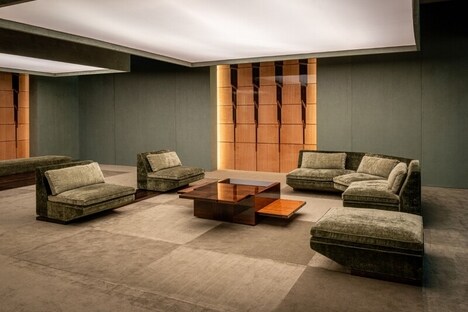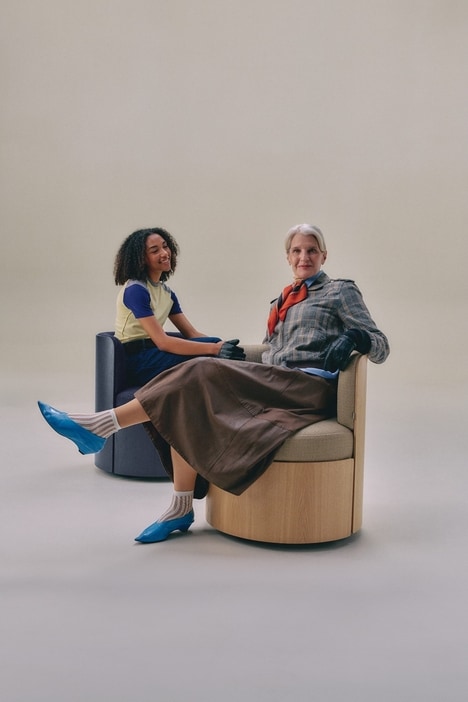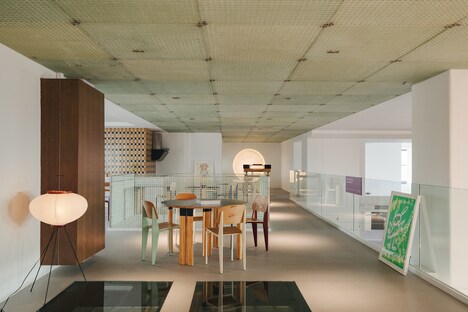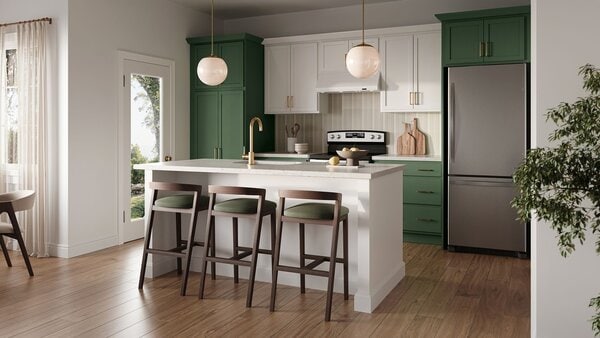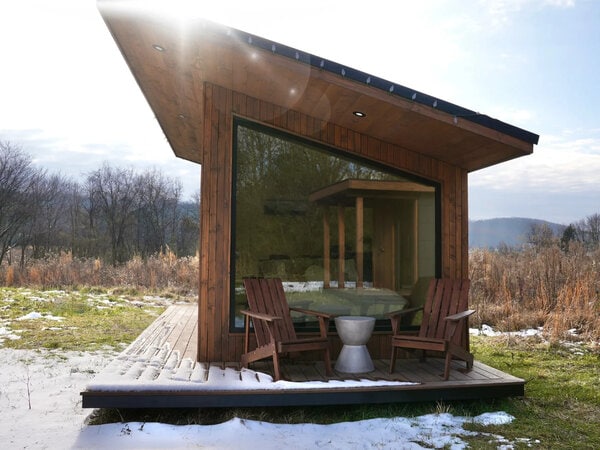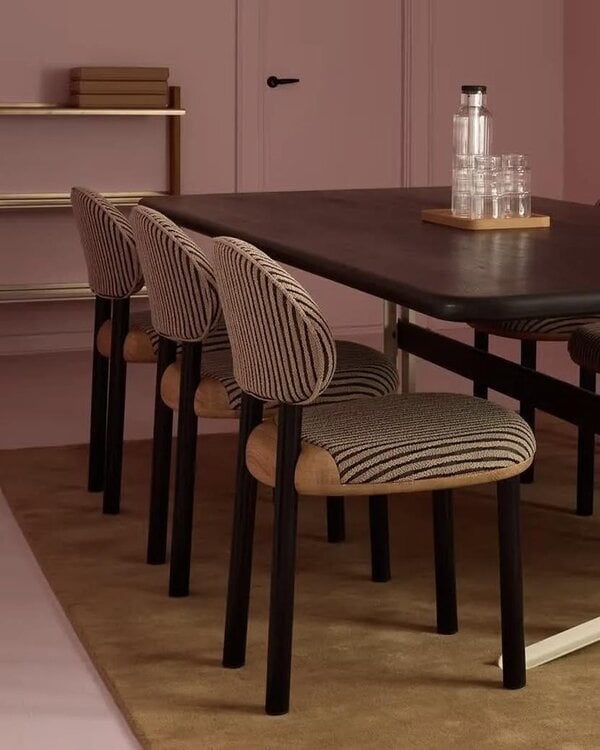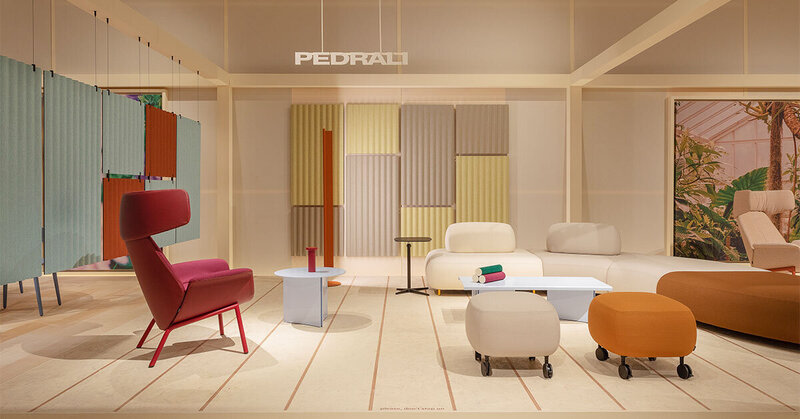
Pedrali is using ‘#PedraliGentleHabitat’ at Orgatec in Cologne to show office workers a less formal workplace, one that borrows lounge-like comfort without dropping everyday function. The Italian manufacturer’s ninth Orgatec stand spans 700 square meters and replaces hard trade-fair edges with connected settings for meetings, teamwork and short retreats.
DWA Design Studio shaped the pavilion with poplar framing and canvas surfaces that soften light, then planned it to come apart for reuse after the fair. Pedrali also extends the stand’s wavy forms into ‘Ondine’ acoustic panels, which can hang, mount to walls or screen desks to quiet open-plan chatter.
The reusable build and acoustic pieces turn a trade-show installation into a B2B argument for longer-lasting office fit-outs rather than one-off displays. By pairing hospitality cues with noise control, Pedrali shifts workplace buyers toward furniture that supports both collaboration and concentration within the same footprint.
Image Credit: Pedrali, designboom, designboom
What Makes This Trend Stand Out
- Hospitality-led Workplaces
- Office environments are adopting lounge-like comfort, softer materials, and informal layouts to balance professional productivity with a more welcoming employee experience.
- Reusable Exhibition Architecture
- Modular pavilions designed for disassembly and reuse are reframing temporary brand installations as longer-term assets with lower material waste.
- Acoustic Zoning Systems
- Flexible sound-absorbing panels are creating adaptable zones in open offices where collaboration, focus, and privacy can coexist within shared floorplans.
Sectors Adopting This
- Office Furniture
- Manufacturers are finding growth in furnishings that merge ergonomic function, residential comfort, and modular adaptability for evolving workplace needs.
- Interior Design
- Design studios are expanding the role of workplace interiors by integrating sustainability, sensory comfort, and spatial flexibility into commercial environments.
- Trade Show Design
- Exhibition builders are shifting toward reusable, experience-driven structures that communicate brand values while reducing reliance on disposable displays.