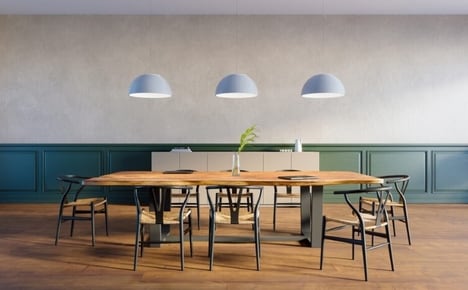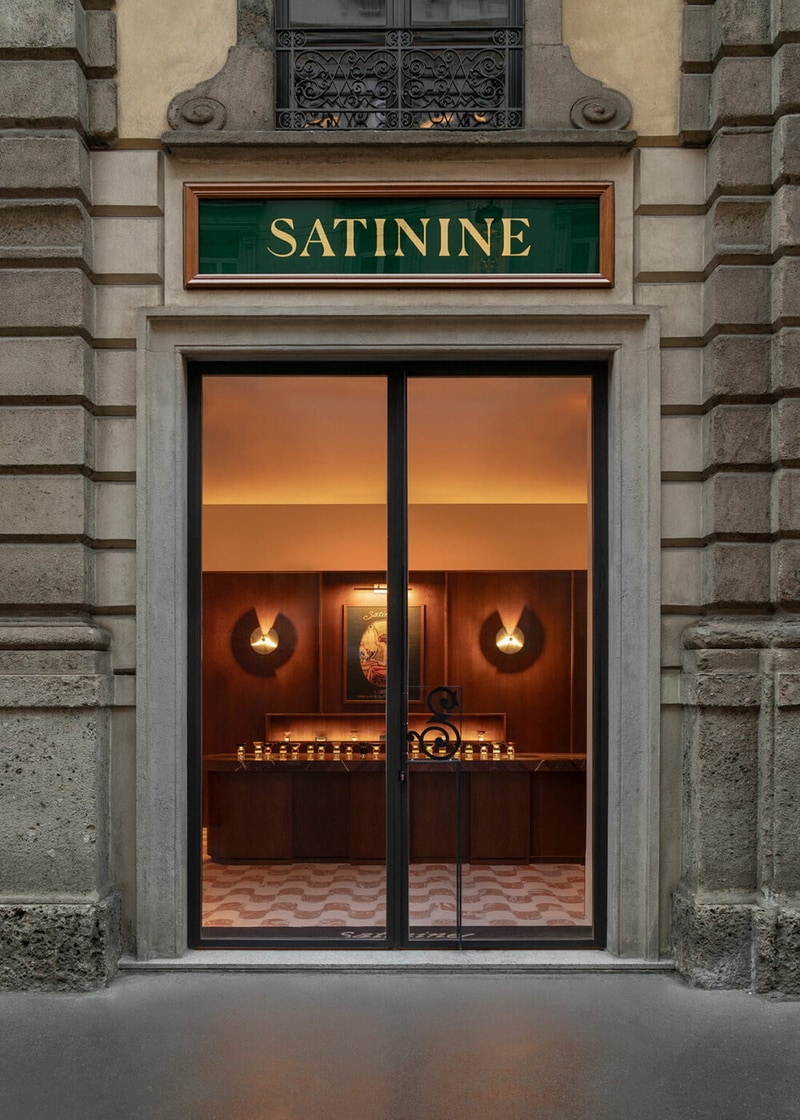
Satinine’s Oficina Milanese is a workspace in Milan designed to accommodate both office functions and residential elements within a single interior. The project is organized as a sequence of rooms rather than an open-plan layout, using partitions and thresholds to define different working and meeting areas. The arrangement references a domestic plan, with circulation moving through distinct spaces that vary in scale and use.
The interior uses a palette of wood, plaster, and metal applied across floors, walls, and built-in elements. Surfaces are finished with a mix of smooth and textured treatments, while custom furniture is integrated into the structure to define seating and work zones. Lighting is positioned to create localized conditions within each room, with fixtures embedded into ceilings and walls. Openings between spaces maintain visual connections while separating functions, and the layout allows different activities to occur simultaneously within the same interior.
Image Credit: Satinine
What Makes This Trend Stand Out
- Room-based Hybrid Workspaces
- A return to sequenced, room-like zones within offices that blend residential and professional programs presents opportunities for products and services tailored to modular, privacy-focused workplace experiences.
- Integrated Custom-built Furniture
- Built-in seating and work surfaces that merge with structure signal a shift toward adaptable, space-defining furniture systems that redefine lease-fit and interior lifecycle economics.
- Layered Material and Localized Lighting
- The use of contrasting textures and embedded lighting to create distinct micro-environments within a single floorplate points to new design-led solutions for sensory differentiation and occupant wellbeing.
Sectors Adopting This
- Commercial Real Estate
- Demand for room-sequenced layouts creates potential for landlords and developers to rethink floorplate offerings, lease models, and amenity mixes around configurable private and semi-private work suites.
- Office Furniture Manufacturing
- Manufacturers and designers of integrated, structural furniture stand to disrupt traditional product categories through bespoke, built-in systems that reduce the need for standalone furnishings.
- Architectural Lighting Design
- Localized embedded lighting strategies open avenues for lighting firms to develop tunable, room-specific systems that prioritize mood, task differentiation, and energy optimization at a sub-room scale.