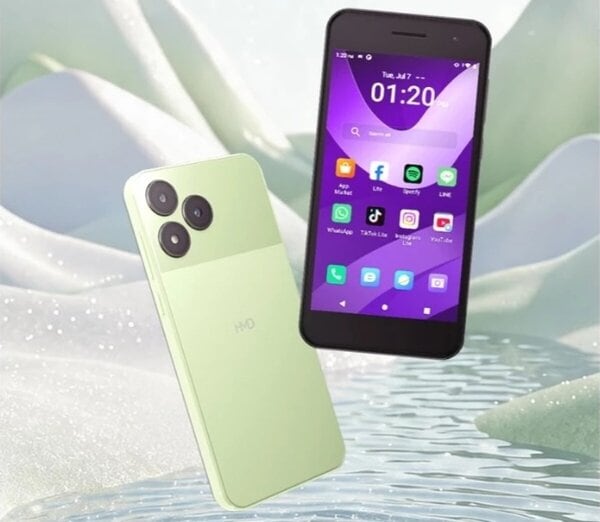
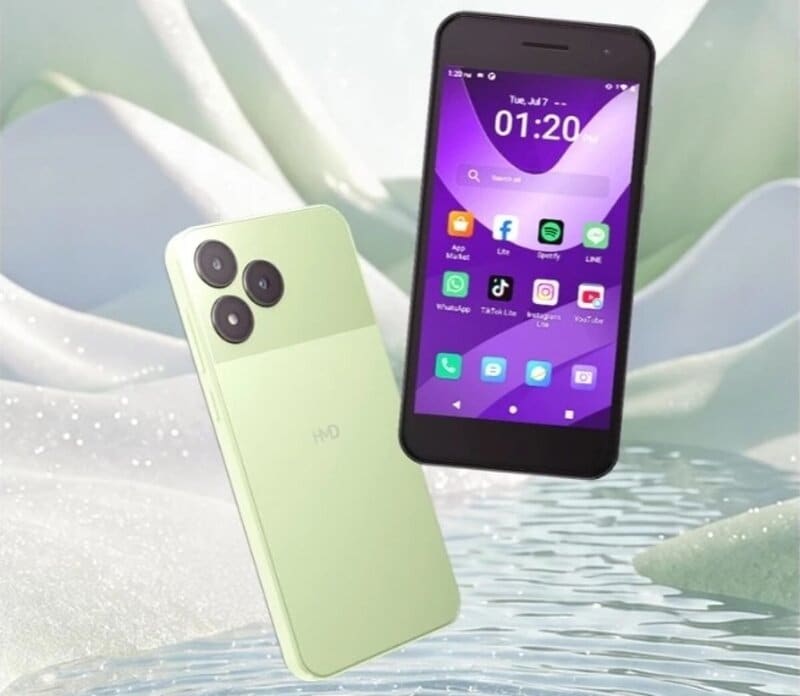
The HMD Asha 305 is making its way to the Philippines with its lite smartphone ethos that bridges the gap between a phone and a full Android device in response to changing consumer preferences. The device runs Pulse OS, based on AOSP Android, and ships with access to ore than 100 apps, including lightweight versions of Facebook, Instagram, TikTok, WhatsApp, and YouTube.
The HMD Asha 305 is basic by design with a Unisoc T137 processor supported by 2GB of RAM and 16GB of storage, while a five-inch LCD display offers modest visuals. The camera system is modest as well with 2MP sensors on both the front and rear. The phone also has a removable 2,500mAh battery, said to offer up to 32 hours of standby time, and will thus allow for easy swapping or replacement. The device responds to the need for more affordable hardware in the face of increasing prices, but also nods to lower tech preferences.
Why This Trend Is Growing
- Lite Smartphones
- Affordable devices with pared-back specs and essential app access create white space for mobile ecosystems serving users who want connectivity without full-featured smartphone complexity.
- Removable Batteries
- Swappable power packs reintroduce repairability and longevity as differentiators in a market shaped by rising device costs and sustainability expectations.
- Low-tech Digital Access
- Simplified operating systems and lightweight social apps expand participation for consumers with limited budgets, lower data access, or preference for distraction-light mobile experiences.
Industries Being Reshaped
- Mobile Devices
- Budget-first handset design signals room for manufacturers to compete through durability, modular components, and practical performance instead of premium specifications.
- Telecommunications
- Carrier and connectivity providers can benefit from device categories optimized for prepaid users, emerging markets, and lower-bandwidth digital lifestyles.
- Consumer Electronics
- Demand for basic, repair-friendly technology reflects a broader opening for electronics brands to prioritize affordability, serviceability, and longer product lifecycles.