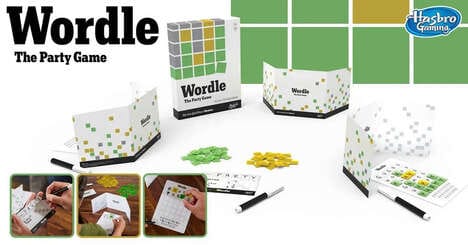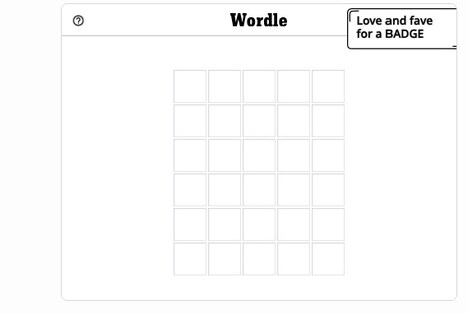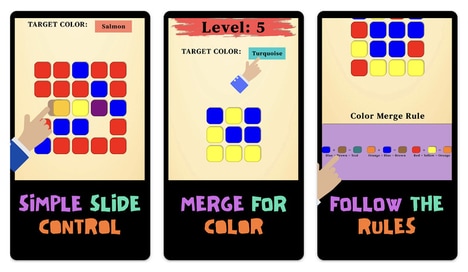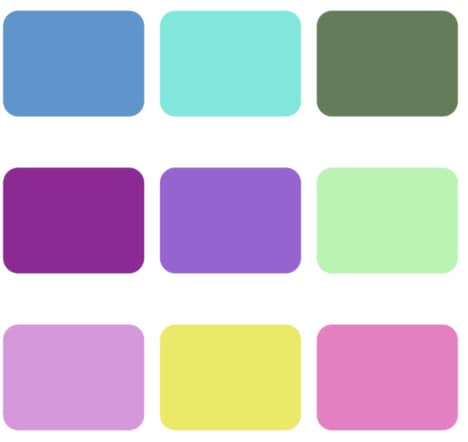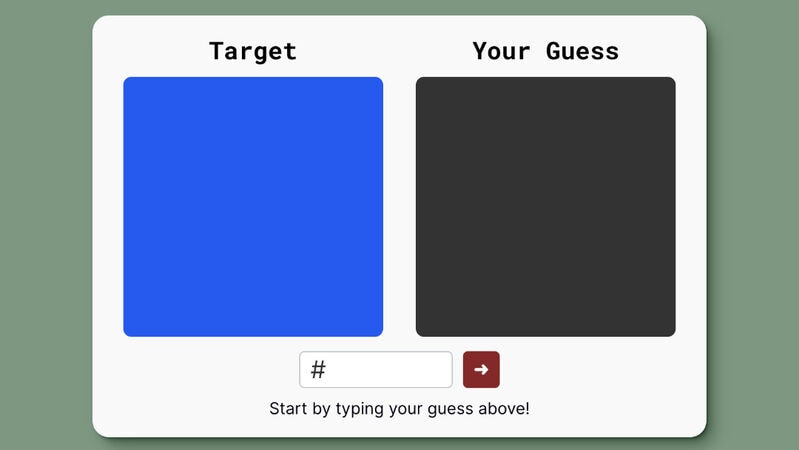
Hexcodle is a new game that is similar to the New York Times' Wordle game which was developed by Hannah and Ekim. It is catered to those who are looking to test their ability to see a wide range of digital colors. The game unveils one daily hex code as a new color is chosen every day.
Players are then given the chance of five guesses to determine the right hex code. For every attempt that is made, the game will provide feedback in either checkmarks or arrows to show the guessed color inside of a box and offer a hint on how close they are to the correct hex code. The creators explain that “The digits/letters in these locations denote the intensity of that color; 0 being the lowest, and F being the highest."
Image Credit: Hexcodle
What's Driving This Trend
- Color-centric Gaming
- The rise of color-centric games like Hexcodle provide an opportunity for the gaming industry to create engaging experiences focused on digital colors.
- Daily Gaming Challenges
- The popularity of daily games like Hexcodle opens up opportunities for the gaming industry to offer unique challenges and experiences on a daily basis.
- Digital Color Perception
- Hexcodle highlights the demand for games that test and improve players' ability to perceive and differentiate a wide range of digital colors, presenting opportunities for companies to develop similar offerings.
Who This Affects Most
- Gaming
- The gaming industry can leverage the rise of color-centric games like Hexcodle to create immersive experiences and engage with a new audience.
- Mobile App Development
- The popularity of daily games like Hexcodle presents an opportunity for the mobile app development industry to create engaging and addictive daily gaming apps.
- Educational Technology
- Hexcodle's focus on testing and improving digital color perception opens up possibilities for the educational technology industry to develop similar interactive tools for color learning and training.