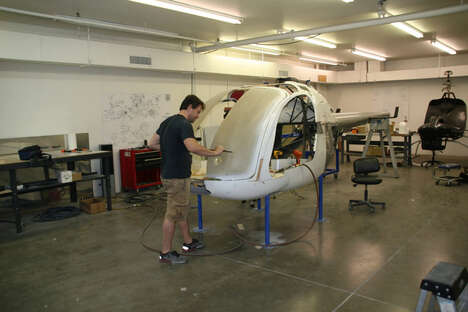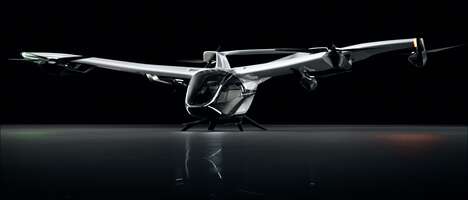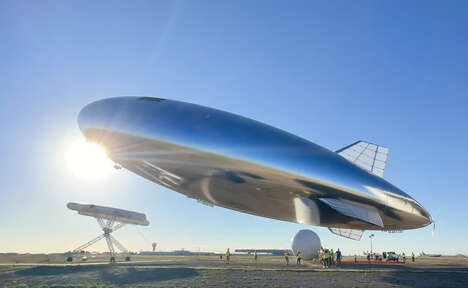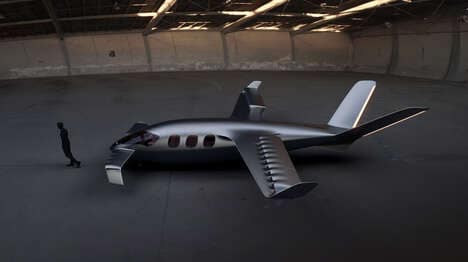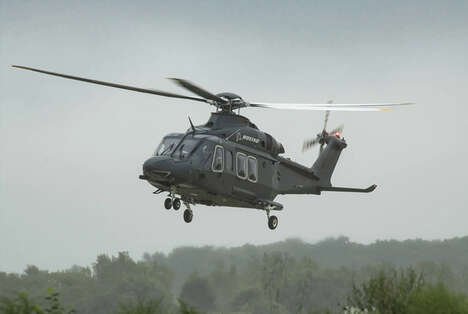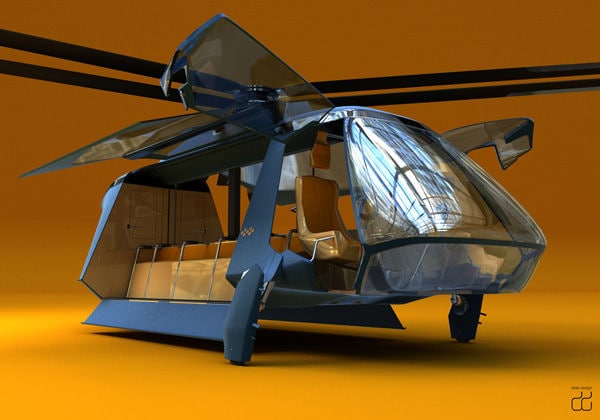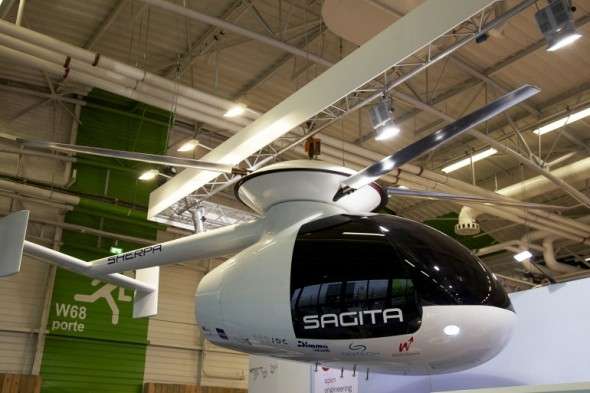
A Belgian start-up company called Sagita caught much attention at the 2013 Paris Air Show with its ultra efficient helicopter design. The super lightweight aircraft, named Sherpa, is powered by a material that costs close to nothing -- hot air. It is estimated that the Sherpa is around 85% more efficient than the regular helicopter, while delivering similar performance.
The Sherpa's rotors are powered by an air compressor that takes in oxygen for two purposes: some of the air directly aids engine combustion, while the rest is mixed with the helicopter's engine exhaust fumes to heat the air to 100º C. Compressing the hot air can charge two turbines that directly run the Sherpa's two rotors. This is a brand new concept in helicopter technology and is expected to spark many new creative flying innovations.
What's Driving This Trend
- Air-powered Aviation
- The development and application of air-powered technology in aviation can lead to more efficient and sustainable aircraft design and operations.
- Hybrid Propulsion
- The potential combination of air-powered and other propulsion technologies can open up opportunities for more innovative and efficient aircraft design.
- Alternative Energy Sources for Aviation
- Exploring the use of non-conventional energy sources like hot air in aircraft operations can lead to more sustainable and cost-effective aviation practices.
Who This Affects Most
- Aviation
- The aviation industry can leverage air-powered technology to improve aircraft efficiency and environmental performance.
- Energy
- The energy industry can explore unique applications and sources of energy, like hot air, to power various operations, including aviation.
- Manufacturing
- Manufacturers can invest in the research and development of air-powered technology, leading to the production of more efficient and eco-friendly aircraft components and systems.