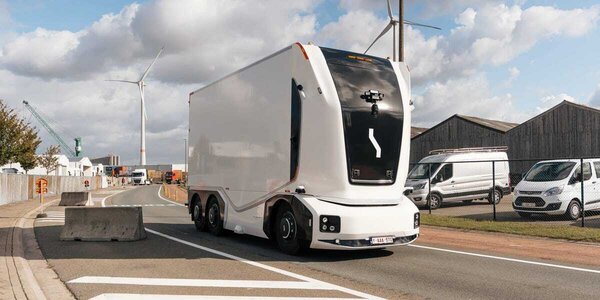

Volvo Construction Equipment put the first 'A40 Electric' articulated haulers into service at the Lower Thames Crossing in Essex, where BMJV is using four of them to build foundations and structures around the road and tunnel entrance. The company says it is the first battery-powered articulated hauler in that class to enter series production, bringing electric heavy equipment to a British infrastructure site.
The haulers recharge on site from generators powered by British hydrogen produced with renewable energy, aligning the fleet with the project's carbon-neutral build target. Each machine carries 39 tonnes and runs for roughly six hours per charge, giving BMJV a full-size earthmoving option for extended shifts.
Volvo Construction Equipment demonstrates how battery haulers recharged with on-site hydrogen generators can operate on a major civil project, with four machines in use at the Lower Thames Crossing.
Image Credit: AI-generated
Why This Trend Is Growing
- Electric Earthmoving
- Battery-powered articulated haulers bring full-scale zero-emission capability to demanding infrastructure sites, creating openings for cleaner fleets that maintain heavy-duty performance.
- Hydrogen-charged Worksites
- On-site hydrogen generators using renewable fuel can support electrified machinery in remote or high-load environments where grid access remains limited.
- Carbon-neutral Construction
- Major civil projects are increasingly integrating low-emission equipment and renewable energy systems, reshaping procurement standards around measurable climate targets.
Industries Being Reshaped
- Construction Equipment
- Electrified heavy machinery expands the competitive landscape for OEMs developing high-capacity vehicles with longer runtimes and lower operating emissions.
- Infrastructure Development
- Large transport and tunneling projects provide early proving grounds for low-carbon build models that combine electric fleets with alternative energy supply.
- Renewable Energy
- Green hydrogen and mobile power generation are becoming critical enablers for industrial electrification, especially across worksites requiring flexible charging capacity.
Featured Reports

Why Fragrance Is Finding Its Way Into Everything

The Death of Nuance