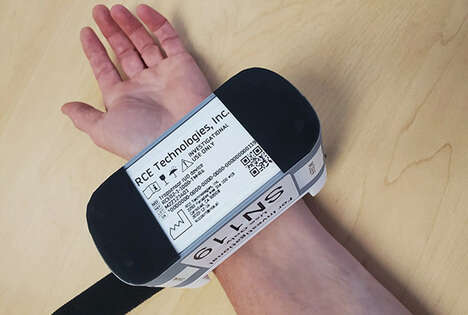
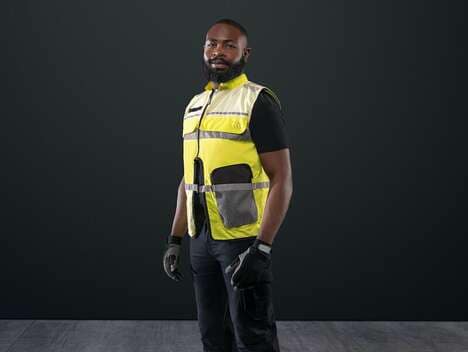
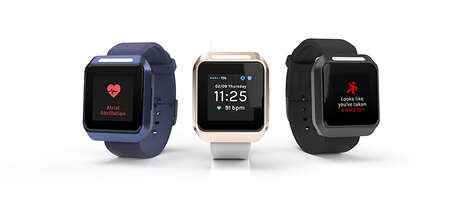
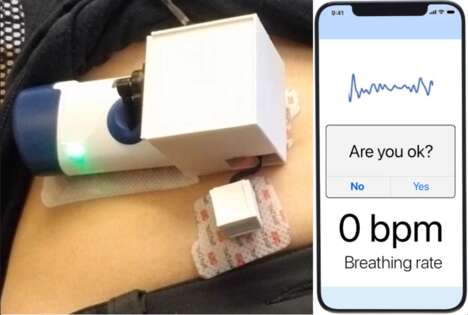
The heart attack vest is a wearable defibrillator that is made with those who have suffered multiple episodes in mind. Embedded with sensors, it is capable of detecting irregular rhythms and delivers a quick shock if needed. Worn as a harness around the chest, the heart attack vest could significantly reduce the occurrence of such life-threatening attacks.
Developed by a team of students at Johns Hopkins led by Sandya Subramanian, the heart attack vest is acts as a vital bridge between having nothing and getting a permanent pacemaker implant. Such waits can be long. Yet there are still drawbacks to the heart attack vest. Subramanian says, "We asked patients and clinicians why, and they said it was because of convenience, weight, comfort, and false alarms."
What's Driving This Trend
- Wearable Defibrillators
- The trend of wearable defibrillators presents opportunities for disruptive innovation in the medical device industry.
- Detection Sensors
- The trend of using embedded sensors for detecting irregular rhythms opens up possibilities for disruptive innovation in the sensor technology industry.
- Quick Shock Delivery
- The trend of delivering quick shocks in response to irregular rhythms provides opportunities for disruptive innovation in the medical treatment industry.
Who This Affects Most
- Medical Device
- The medical device industry can explore disruptive innovation by developing more advanced wearable defibrillators to improve convenience, weight, comfort, and false alarm issues.
- Sensor Technology
- The sensor technology industry has a chance for disruptive innovation by creating more accurate and efficient detection sensors for wearable defibrillators.
- Medical Treatment
- The medical treatment industry can seize disruptive innovation opportunities by improving the speed and effectiveness of quick shock delivery in response to irregular rhythms.